
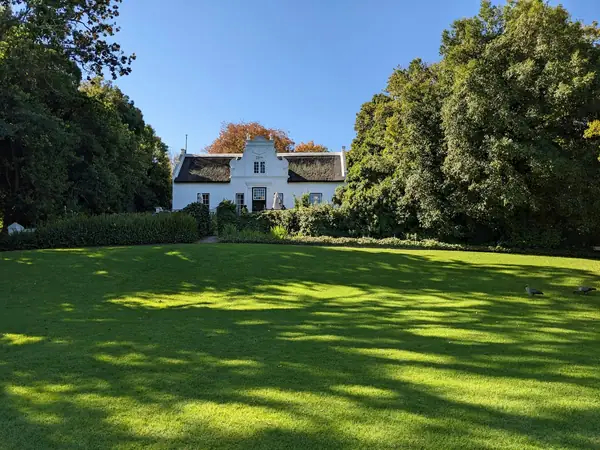
Greenway
Agatha Christie bought Greenway with Max Mallowan in 1938. The National Trust has run it since 2000, and the boathouse features in Dead Man's Folly.
Learn more about Greenway on Google MapsIn the 1860s Squire Richard Harvey of Greenway built a group of cottages on the Greenway Road to replace the hovels his tenants had been living in. Cottages built together for one estate tend to share their details, and a single replacement window in the wrong pattern stands out along the row. Further down the Stoke Gabriel Road are older limestone cottages, some from the 1600s, and behind them the bungalows of the 1950s and 60s that made Galmpton about five times larger. The historic core is in Torbay Council's Galmpton Conservation Area. We make timber windows and doors for all three kinds of house, matching the old ones and making the newer ones last in the damp air off the Dart.
Tell us roughly what you have in mind and we will arrange a time to come and measure. A photo of the space on your phone is usually enough to start with.
The Joiner Behind It
Galmpton's 1860s estate cottages were built together and share their details, so one replacement window in the wrong pattern stands out down the whole row.
Luke comes from a family where joinery runs, and he began as a child. Copying an old window so it sits quietly with its neighbours is a skill built by practice. He and the team match the existing pattern before anything else.
Galmpton
Galmpton was part of the Greenway Estate until the 1940s, and the estate's influence shows in the older houses. Wisteria Cottage and Port Hill Cottage both date from the seventeenth century, and the limestone walls lining the lanes are part of what the conservation area protects. Windows in these walls sit in thick, uneven openings. They are usually small and simple, and the most common mistake on a replacement is making the frame too heavy.
The 1960s sale of farmland changed the village. Galmpton Glade, Vale Close and Barnfield Close filled with bungalows, and Manor Vale Road had been lined with more from the fifties. Those houses have larger, plainer windows and doors that open onto long gardens. Several have since had their roofs converted, which brings new bedrooms with sloping ceilings, and our page on fitted wardrobes in Galmpton shows how we use that space.
The Case For It
Where a neighbour's original survives, we copy its pattern so your estate cottage rejoins the rest of the row.
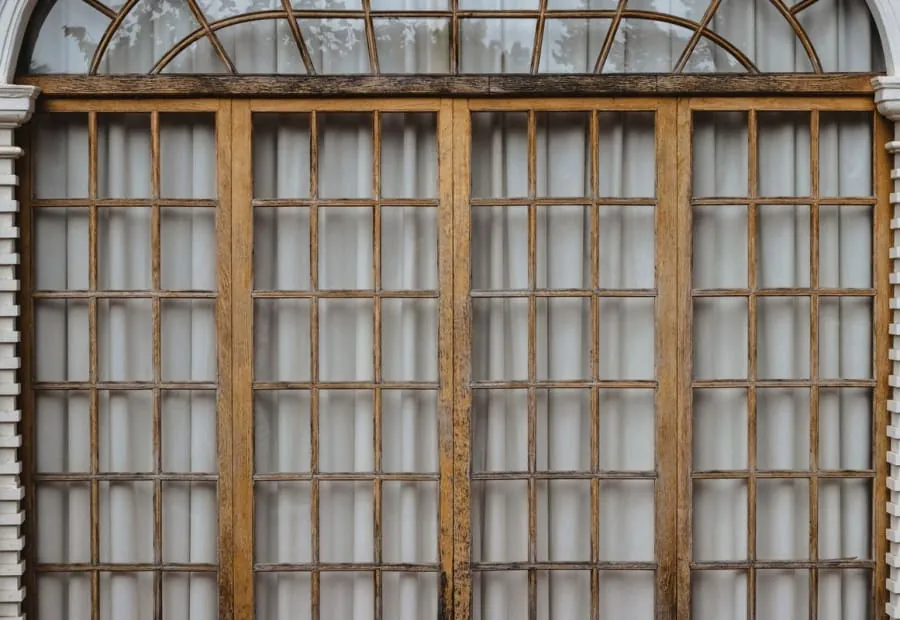
Cottage casements made with slim sections, set back in the reveal so the limestone wall still dominates.
Larger casements for the 1950s and 60s bungalows, in stable timber that will not twist with the damp.
Every joint sealed before assembly and every face painted, because damp from the creek lingers on joinery here.
Where Torbay Council needs to see a proposal, we provide clear drawings of the existing and new windows.
French and back doors with drained thresholds for bungalows whose gardens run down to the fields.
Before You Choose
Ask whether the maker will look at the neighbouring houses as well as yours. For the Harvey cottages especially, the right pattern is often best found on the cottage next door.
Frame weight is the detail people miss. In a seventeenth-century limestone cottage, slim sections are part of the character, and a maker used to modern windows may draw them too thick.
Ask how the timber will be protected. Galmpton sits above a creek of the Dart, and joinery here stays damp longer than you might expect. Sealed end grain, a microporous paint system and good drips should all be in the specification.
Compared
This shows how we usually approach windows for each type of Galmpton home.
| Seventeenth-century cottage | 1860s Harvey cottage | 1950s-60s bungalow | uPVC replacement | |
|---|---|---|---|---|
| Typical window | Small casement | Estate pattern, shared along the row | Larger casement | Casement |
| Key concern | Slim frames, deep reveal | Matching the row | Durability | Bulky look |
| In the conservation area | Usually | Usually | Usually not | Discouraged inside it |
| Timber we suggest | Oak or painted softwood | Painted softwood or accoya | Accoya or engineered softwood | Not timber |
| Repaintable | Yes | Yes | Yes | No |
| Relative cost | Middle | Middle | Lower middle | Lowest |
Our Process
These seven steps cover every Galmpton window and door job, whether in the old core or the newer closes.
We inspect each opening, check for rot and note how damp the wall and frame are.
We record your windows and, with permission, an original on a neighbouring cottage.
We confirm whether you are inside the Galmpton Conservation Area and whether the house is listed.
Species and finish chosen for the damp, with stainless fittings on exposed doors.
Made at Barton from conditioned timber, glued in the dry and test-fitted.
Primed and painted on all six faces before travelling to Galmpton.
Installed and sealed on a dry day where possible. We come back after a wet winter to check them.
Reassurance
Budget
£1,400 – £9,000
per opening, made and fitted
Bungalow casements sit in the lower part of our per-opening range. Cottage windows in deep limestone reveals and copies of the Harvey cottage pattern sit around the middle. Garden doors fall in between. Our timber windows and doors guide sets out the choices.
Guide range only, VAT included. Your figure comes from the measured visit and the drawing you sign off.
What moves the priceOld cottages along the Stoke Gabriel Road have thick, uneven walls, so frames take longer to fit.
Parking in the old core is limited, which can add time on fitting day. The newer closes are easier.
Accoya and oak cost more than painted softwood but cope better with the damp off the creek.
Questions
Feedback
Rated 5 out of 5
“Our bedroom is in one of the old Warberries villas and the back wall bows by about an inch and a half across four metres. Two national firms measured it, quoted, then went quiet. These came, measured, and said it needed scribing rather than filling. The wardrobes go right into the corner and there is no gap anywhere. My husband keeps running his hand down the join.”
Rated 5 out of 5
“We run a bar on the harbourside and needed the counter and back fittings replaced without losing a summer weekend. They built the lot off site, came in on a Sunday night and had us trading by Tuesday lunchtime. Knowing the whole thing was made before they ever shut our doors is what sold it.”
Rated 5 out of 5
“Sash windows on the front elevation, and we are in a conservation area so it had to be timber and it had to match. They took a profile off the original, made new boxes in accoya, and the planning side went through without a query. From the pavement you genuinely cannot tell which is which.”
Rated 5 out of 5
“Two alcoves either side of the chimney, and they turned out to be 40mm different in width, which explains why the flat-pack ones we tried first never sat right. Made as a pair but to two different sets of measurements. Small thing, but it is the difference between looking fitted and looking bought.”
Rated 5 out of 5
“We let our place out over the season so everything gets hammered. I asked them to over-specify the drawer runners and they did, and told me exactly which ones so I can order spares. Three summers in, nothing has sagged. The last kitchen we had did not last two.”
Local
Galmpton lies between the river and the bay. Three places close by:
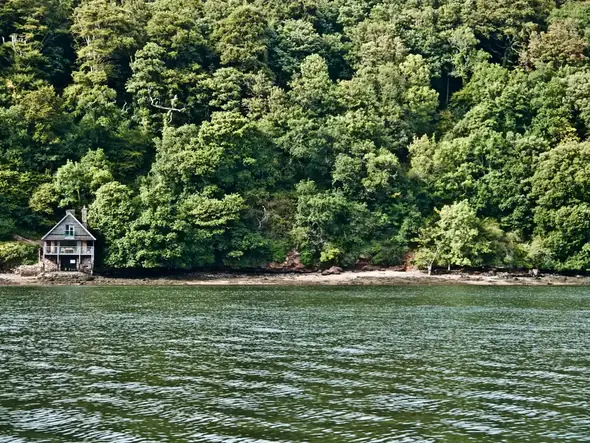
Agatha Christie bought Greenway with Max Mallowan in 1938. The National Trust has run it since 2000, and the boathouse features in Dead Man's Folly.
Learn more about Greenway on Google Maps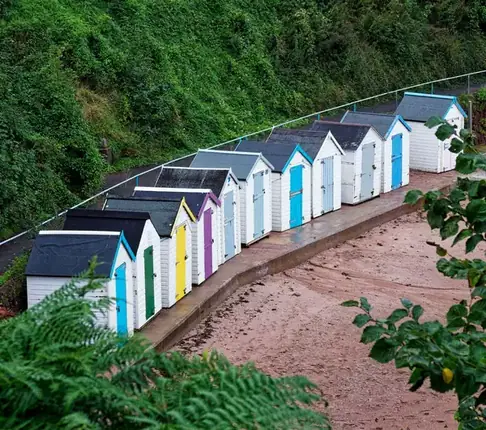
Broadsands has beach huts for hire by the day and sheltered, shallow water. The steam railway runs across a viaduct behind it.
Learn more about Broadsands Beach on Google Maps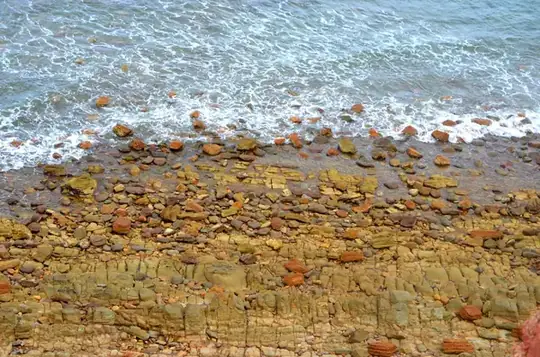
Elberry Cove has the ruins of Lord Churston's bathhouse, built to flood at high tide. Christie used the cove in The ABC Murders.
Learn more about Elberry Cove on Google MapsCoverage
Galmpton is one of the villages we serve around Torbay. All our areas are listed here.
Send us photos of your windows and, if you can, of a neighbour's original. We will survey, record the pattern and price the work.