
Which Wood? Choosing Timber For Bespoke Joinery In Torquay
Bespoke Joinery Torquay
Ask most people what wood their furniture should be made from and the answer is a colour: something light, something dark, something like the picture saved on their phone. Fair enough - that is where everyone starts. But choosing timber for bespoke joinery in Torquay is a string of small trade-offs between how a species looks, how it wears, what it costs and where the piece will live, and a workshop that asks about your room before it talks about wood is doing the job properly.
This is the conversation we have at the bench, written down. Species by species, with the prices in rough proportion and the folklore left out.
Start With The Room, Not The Timber
Three questions sort out most commissions before a board is chosen. What will the piece endure - a hall bench takes more punishment in a month than a display cabinet takes in a decade. What light does the room get - a point that matters more on this coast than most, and gets its own section below. And is the piece to be the loudest thing in the room or the quietest - strong figure in a small bedroom can be like wallpaper you cannot change.
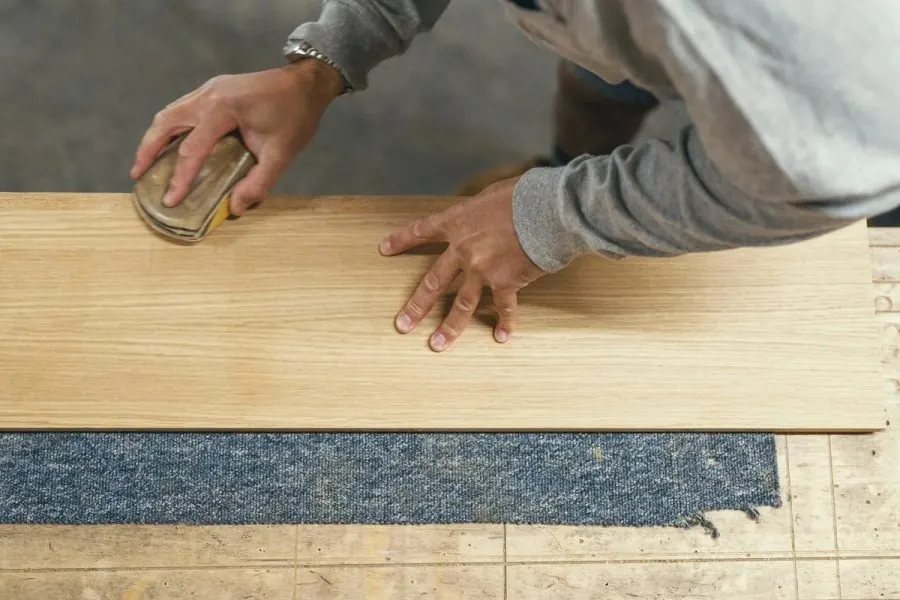
Only then does species make sense as a question. When we design bespoke furniture the timber is usually the last major decision, not the first, and clients are often surprised how much the answer changes once the room has had its say. A fourth question sits behind the other three: budget, which in practice decides between a solid showpiece, a cleverly veneered one, or paint over a humbler substrate. All three are legitimate. The trick is knowing which you are buying.
Oak: The Default For A Reason, But Read It First
Oak earns its place at the head of the list. It is hard enough for floors, stable enough for doors, open-grained enough to hide the small dents of family life, and available in consistent quality. If a piece has to last fifty years and you cannot decide, oak is rarely the wrong call.
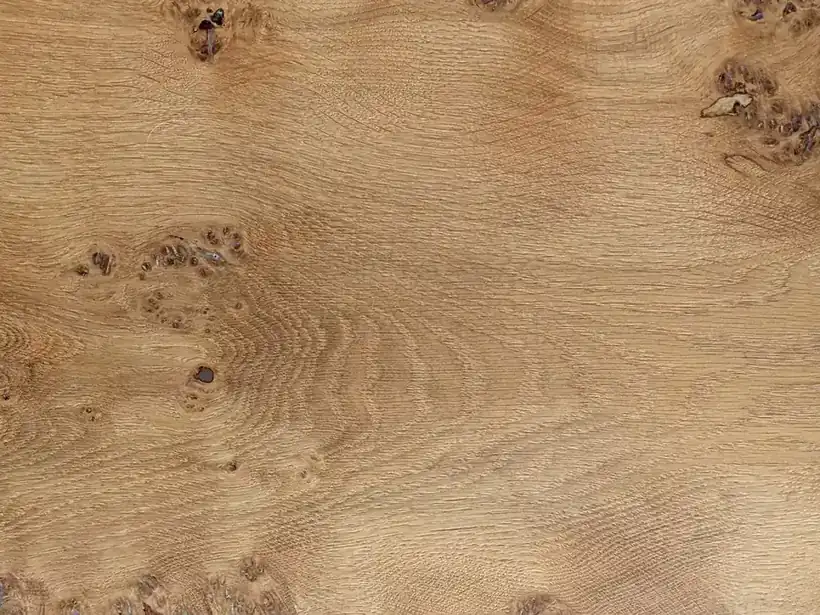
What the catalogues undersell is how differently oak can present. Cut a log through and through and you get crown-cut boards with broad flame patterns. Cut it radially and you get quarter-sawn stock: straighter grain, flecked with the pale ribbons of medullary ray that made Arts and Crafts furniture look the way it does. Same tree, two different pieces of furniture. This is why we show clients actual boards rather than a sample chip the size of a coaster.
One practical footnote: oak is loaded with tannin, and tannin plus iron plus damp equals ink-blue stains. Fittings need to be brass, stainless or coated, and a wet steel tool left on a fresh oak top overnight will sign its name.
The Pale Woods: Ash, Sycamore And Beech
For rooms that want light, cool timber rather than oak’s honey, the home-grown options are ash, sycamore and beech. Ash is the athlete of the three. Its long springy fibres are why it made tool handles and hockey sticks, and it takes a beating so cheerfully that it has become a favourite of ours for desks and table tops. Sycamore is paler still, almost white when fresh, and scrubs up beautifully for kitchen-adjacent pieces. Beech is the traditional workhorse for chairs and internals: unglamorous, strong, sensibly priced.
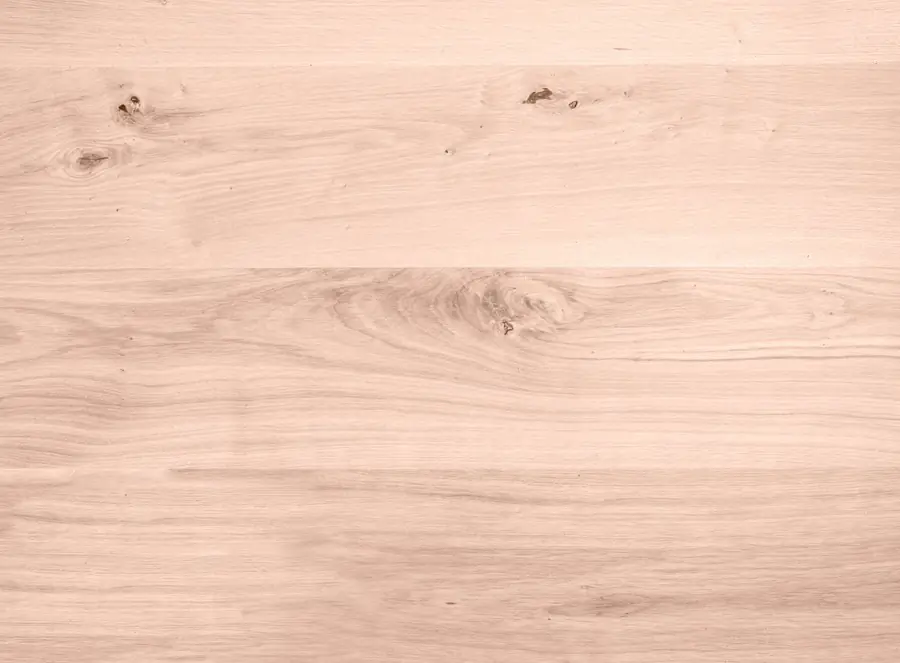
Ash carries an asterisk now. Ash dieback, a fungal disease that Forest Research has tracked across Britain since 2012, is expected to kill the large majority of the country’s ash trees. The strange short-term effect is plentiful timber, as infected trees are felled while the wood is still sound. Buying ash today is not the problem people assume - if anything it puts felled trees to use - but the price and availability of good boards will not stay where they are, so an ash commission is one to make sooner rather than later.
The Dark End: Walnut, Elm And Cherry
Walnut is the timber people fall for in the showroom: chocolate heartwood shot through with purple and grey, and no stain on cheaper wood ever quite imitates it. It is properly expensive, roughly half as much again as oak and sometimes double, and a little softer than you might expect, so we steer it towards pieces that are admired more than they are scrubbed.
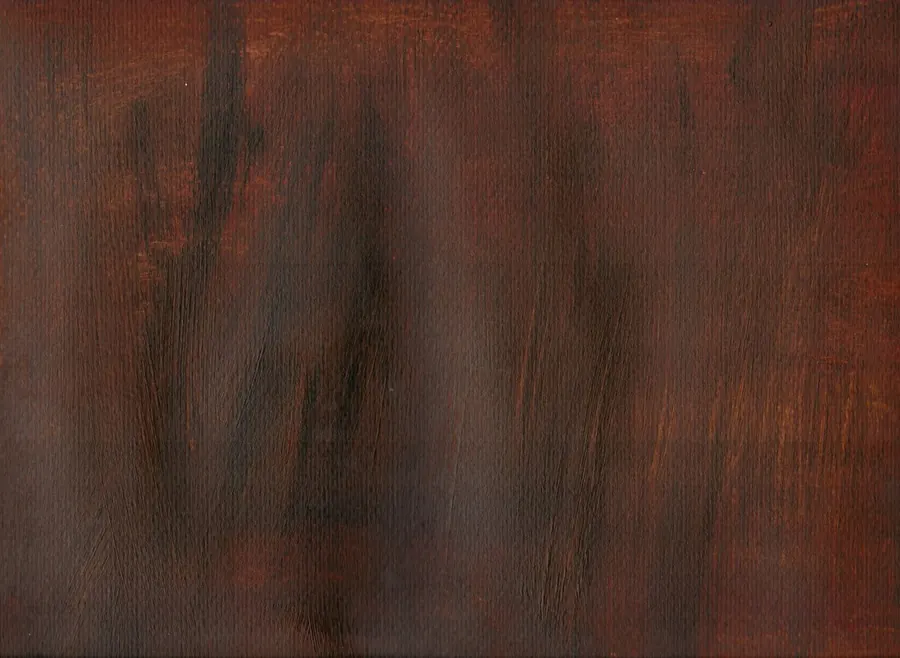
Elm is the sleeper choice. Its interlocked grain will not split, which is why it made chair seats and coffin boards for centuries, and its swirling figure reads as warmer and wilder than oak. Dutch elm disease made big boards scarce, so it is a keep-your-eyes-open timber: when a good stack turns up, the client who can move quickly gets something genuinely uncommon. Cherry starts unpromisingly pale and pink, then ripens over a year or two into the deep russet people actually want - a timber you buy on trust, and one that rewards it.
Painted Work: Tulipwood, And When MDF Is The Honest Answer
A large share of what leaves any joinery workshop is painted, and under paint the rules change completely. Nobody sees the grain, so paying for oak is waste. What matters is a surface that stays flat and takes a finish well, and the classic choice is tulipwood - a fast-grown American hardwood, greenish in the raw, unremarkable to look at and superb to machine and paint.
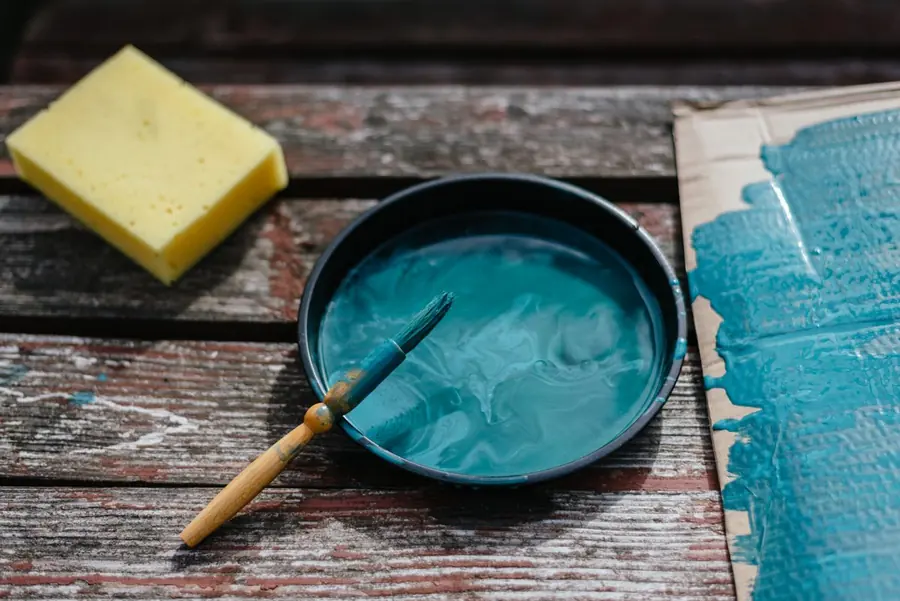
And then there is MDF, the material people apologise for. They should not. For a flat painted panel - the centre of a shaker door, the side of a fitted cabinet - moisture-resistant MDF is flatter and more stable than any solid board, and it will not open a hairline crack along a joint the way solid timber panels eventually can under paint. The dishonest version is MDF where structure is needed, or foil pretending to be paint. The honest version, frames of solid tulipwood around MDF panels, is how most high-end painted furniture in this country is actually built. If a maker tells you otherwise, ask them what is under their paint.
Choosing Timber In Torquay Means Thinking About Light
Here is the local wrinkle. This stretch of coast markets itself on its light, and the marketing is not wrong - the bay’s south-facing rooms, big Victorian windows and sea-reflected brightness pour more daylight onto furniture than most English interiors ever see. Daylight moves timber’s colour. Oak mellows from pink-fresh to amber. Cherry accelerates through its darkening. Walnut runs the other way and slowly pales. None of this is fading in the sense of damage; it is what ultraviolet does to wood, and no finish stops it entirely.
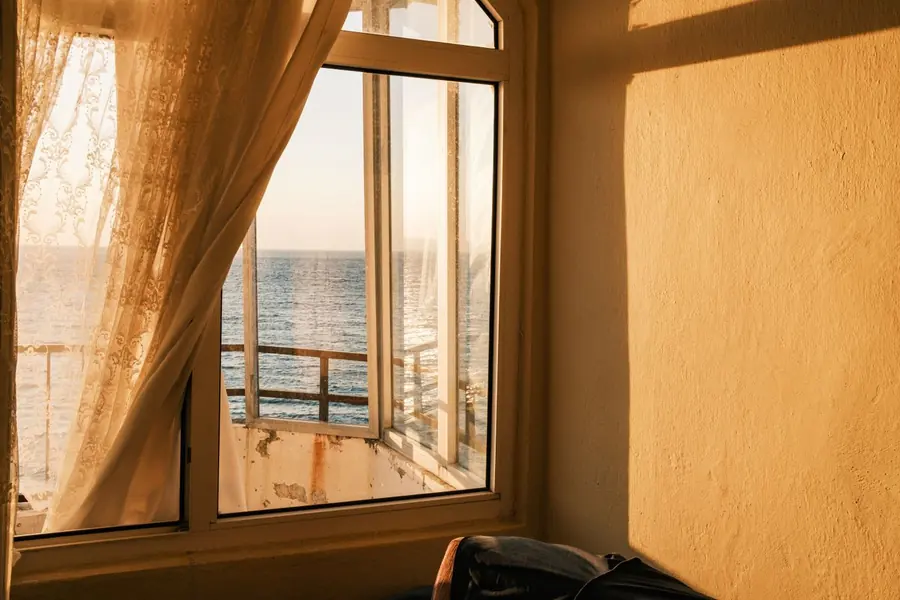
The practical consequences are simple. In a bright bay-window room, choose a species whose direction of travel you like - oak and cherry improve, walnut needs the odd thought. Move lamps and ornaments around on a new top for the first year so it colours evenly rather than in silhouettes. And expect any new piece to spend its first summer visibly changing. We tell every client this at ordering; the ones with sea-facing sitting rooms see it fastest.
Veneer And Solid Are Not Rivals
Veneer has a reputation problem it inherited from bad 1970s furniture, and it deserves better. A veneered panel is real timber, a fine slice of it bonded to a stable core, and for wide, flat surfaces it holds truer than solid boards. That is why the doors of the most expensive wardrobes you can buy are veneered. It also lets figure be book-matched into patterns solid timber cannot manage, and uses a rare log twenty times further.
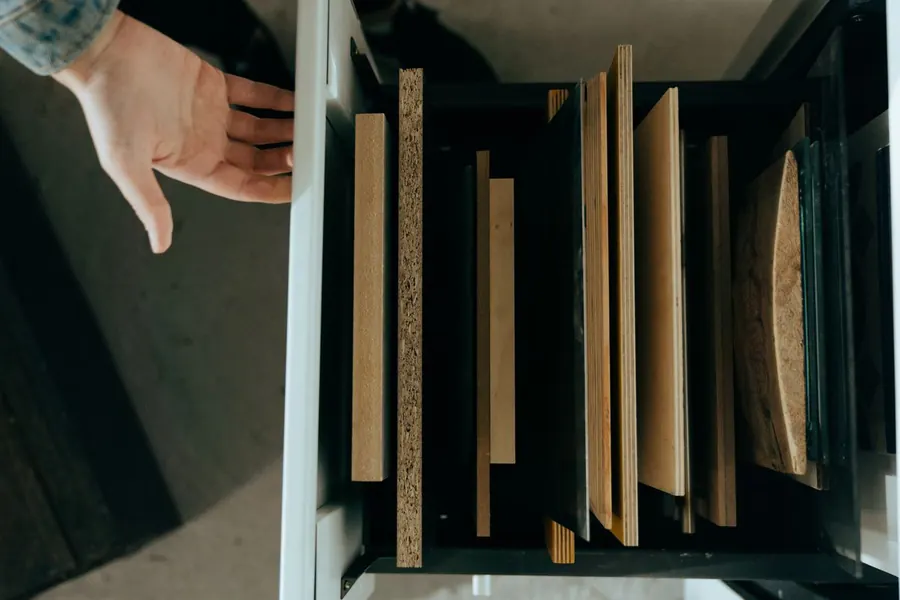
Solid timber keeps the jobs veneer cannot do: edges that take knocks, anything that will be shaped or moulded, surfaces you may want to sand and refinish in twenty years. The joiner’s answer is almost always both in one piece - solid where hands and mops reach, veneer where width and stability matter. What you should be told, plainly, is which is which; we covered why wide solid panels need room to move in our guide to looking after timber joinery in a Torbay home, and veneer is often the engineering answer to exactly that problem.
Ask Where The Board Grew
Last question, and increasingly the first one clients ask us: provenance. Timber is the only mainstream building material that grows back, but only when it is felled faster than the forest is lost. Certification is the checkable part - the Forest Stewardship Council mark tracks wood from a managed forest through the supply chain, and Grown in Britain does the same for home-grown stock, which carries the shortest miles of all.
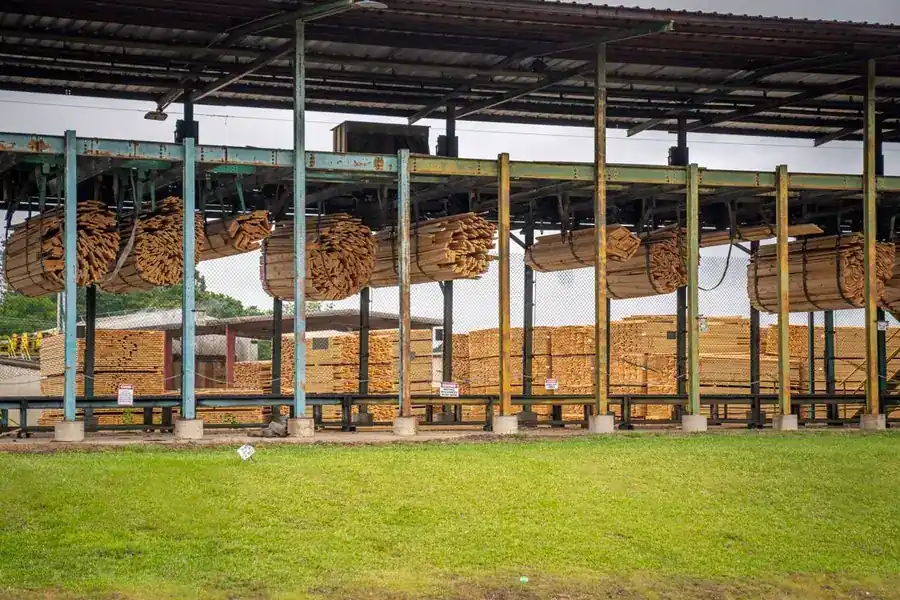
Ask any workshop where its boards come from and watch whether the answer is specific. Ours is boringly so: named merchants, certified stock, and English timber wherever the species allows, partly for the footprint and partly because a table made from wood grown two counties away is simply a better story to live with.
If there is a piece you have been circling - and now a species to go with it - get a free quote and we will bring the sample boards.