
Looking After Timber Joinery In A Torbay Home
Bespoke Joinery Torquay
Every piece of timber joinery in your house is quietly gaining and losing moisture, all the time, in step with the air around it. That is not a defect and it never stops. A hundred-year-old oak dresser is still doing it. What changes is how much movement you notice, and in a house a few hundred metres from the sea you tend to notice more than most.
None of what follows is difficult. It is mostly a matter of knowing which season is telling you the truth and which one is lying.
Wood Does Not Stop Moving When It Leaves The Workshop
Timber is full of tiny cells that swell as they take up water vapour and shrink as they give it back. The movement is almost entirely across the grain rather than along it, which is why a door gets wider and narrower but never taller.

Good joinery is designed around this rather than against it. Panels float in their grooves instead of being glued in. Wide tops are fixed with slotted fittings so they can creep. Solid components are kept narrow and jointed rather than cut from one enormous board. When we build fitted wardrobes for a house near the front, those details are not decoration - they are the reason the doors still shut in year five.
The practical upshot for you as the owner is simple. Movement is expected. It becomes a problem only when something has been fixed rigidly at both ends, or when the house swings much further and faster than the timber was allowed for.
What The Bay Actually Does To Your Joinery
Torbay has a marine climate, which in plain terms means the outside air is damp for a large share of the year and does not swing wildly between day and night. The Met Office’s UK climate averages show the pattern clearly enough if you compare a coastal station with somewhere inland and east.

But the outdoor figure is not the one that matters. Timber inside your house responds to the air inside your house, and that is set mostly by your heating. A living room heated through a January evening can be dry enough to shrink a panel noticeably. The same room in May, heating off and a window open to a damp onshore breeze, is a completely different environment. The joinery sits in the middle of that swing and follows it.
Salt is a smaller factor than people expect indoors. Outside it is a genuine issue for external doors and window sills, where it holds moisture against the surface and accelerates the breakdown of a finish. Inside, the thing doing the work is plain humidity.
The Season Where Doors And Drawers Start To Stick
March to June is when the phone rings. The heating has gone off, the air has come up, and doors that behaved perfectly all winter are now catching on the frame or the neighbouring door.
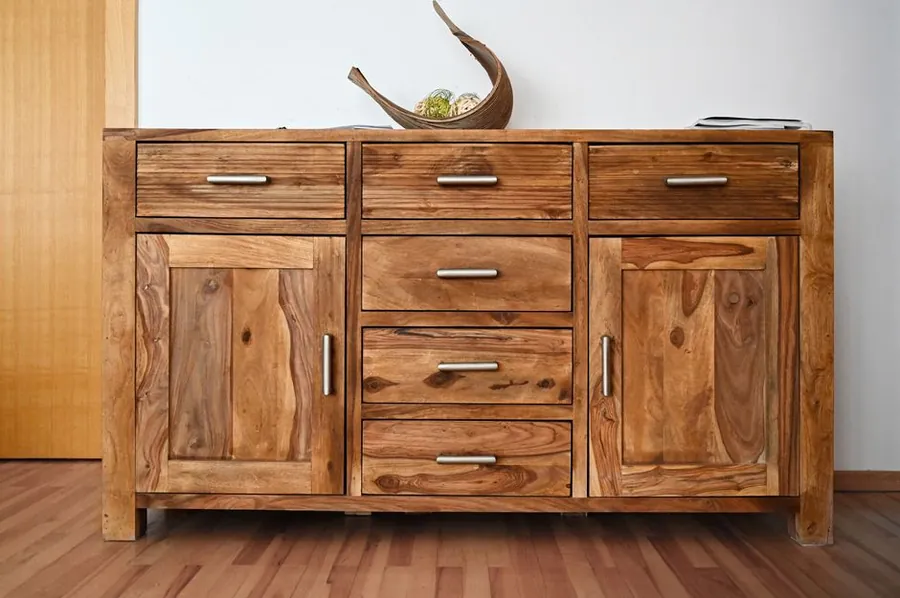
Here is the mistake to avoid: do not immediately take material off. A door catching in April is a door at the wide end of its annual cycle. Plane it to fit now and by February you will have a visible gap that stays there for the rest of its life, and you cannot put the shaving back.
What to do instead. Give it a season. Most spring catching frees itself by mid-summer as the house settles. If it is genuinely unusable in the meantime, the fix is at the hinges rather than the timber - most cabinet hinges have two or three adjustment screws that will shift a door a couple of millimetres in each direction, which is usually all that is needed. Drawers that drag can often be freed with a rub of candle wax or dry soap on the runners, not oil, which collects dust and turns into a paste.
Only if something is still binding at the driest point of the year - February, heating on - is it a real fit problem rather than a seasonal one.
The Holiday Let Problem: Heated Hard, Then Shut Up Cold
Torbay has a lot of second homes and holiday lets, and they put joinery through a cycle that ordinary houses never see. A fortnight of guests with the heating on constantly, then five weeks cold, closed and unventilated. Then another fortnight of guests.
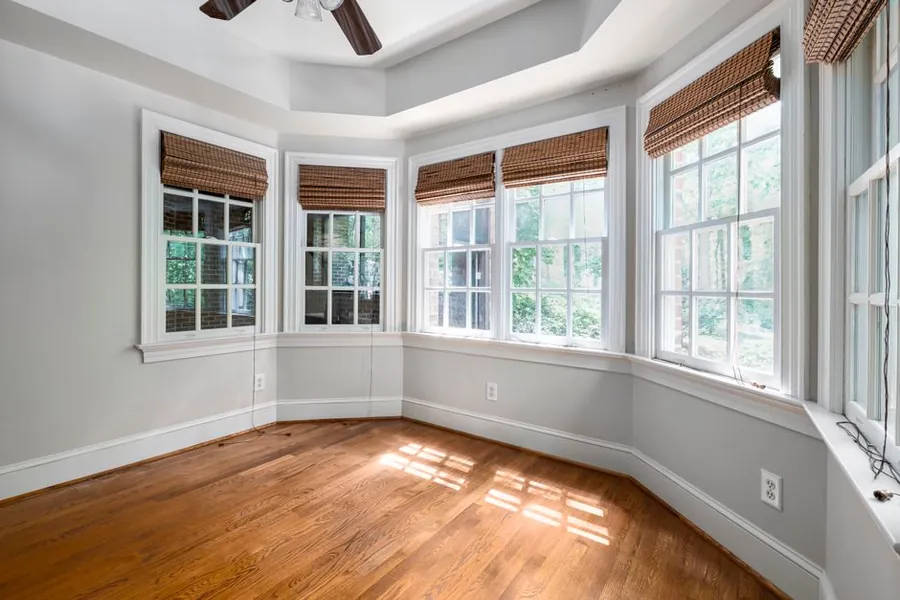
That is a harsher regime than permanent occupation, because the changes are fast rather than gradual. Timber can cope with a wide range of conditions if it gets there slowly. It splits when it is asked to move quickly.
Two things help more than anything else. The first is background ventilation - trickle vents open, extract fans working, doors between rooms left ajar so air is not stagnant behind a wardrobe. The government’s guidance on ventilation, Approved Document F, sets out what a dwelling is meant to provide, and plenty of older converted flats around here quietly do not. The second is a low background heat rather than nothing at all - a frost setting on the thermostat costs very little and keeps the swing shallower.
Oil, Lacquer And Paint Need Three Different Things
The finish is what stands between the timber and the air, and the three common ones behave nothing alike.

Hardwax oil soaks in rather than sitting on top. It looks and feels the best of the three and it is by far the easiest to repair, because you can re-coat a worn patch without stripping anything. It also wears, so it needs redoing periodically. Clean the surface, let it dry properly, wipe a thin coat on with a lint-free cloth and take the excess off after ten minutes or so. Thin coats. A thick one stays tacky for days.
Lacquer and varnish form a film instead. They last longer without attention but when they do fail they fail visibly - a chip, a cloudy patch where water has got underneath - and the repair means sanding back an area rather than blending. Keep water off the joints and it will be years before you need to think about it.
Paint is the most protective of the three and the most obvious when it goes. On internal joinery the failure point is nearly always an edge or a corner that gets knocked. Touch those in as they happen rather than waiting for a repaint. On anything external, painted timber wants a proper look at least once a year, because a hairline crack in the film lets water in and then traps it there.
Cleaning It Without Wrecking The Finish
Most of the damage we get called out to look at was done with a cleaning product, not by wear.
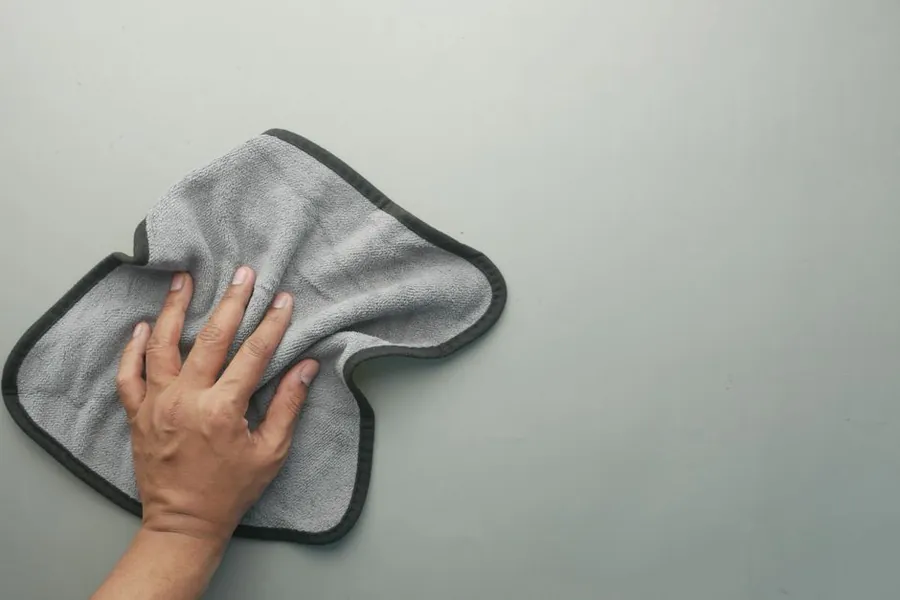
A barely damp microfibre cloth and a dry one behind it will handle almost everything. What to keep away from timber: anything containing bleach, kitchen sprays with a degreaser in them, wire wool, and silicone-based furniture polishes, which build up a film that later refuses to take a fresh coat of oil.
Spills matter more than dirt. Water left standing on an oiled surface will darken it within minutes and leave a ring you can see for years. Wipe it, do not leave it for later. On worktops, the usual failure point is the joint around a sink cutout, so that is the spot worth drying every time rather than the middle of the board.
When To Stop And Ring Someone
Some things are worth a look rather than a wait. A door that has dropped visibly at one corner usually means a hinge screw has lost its grip in the carcass, and the longer it runs the more the hole enlarges. A crack that follows a joint rather than the grain has opened rather than split, and the glue line is telling you something. Any dark staining at the bottom of a frame or the foot of a unit means water is getting in from somewhere and the timber is the symptom, not the cause.
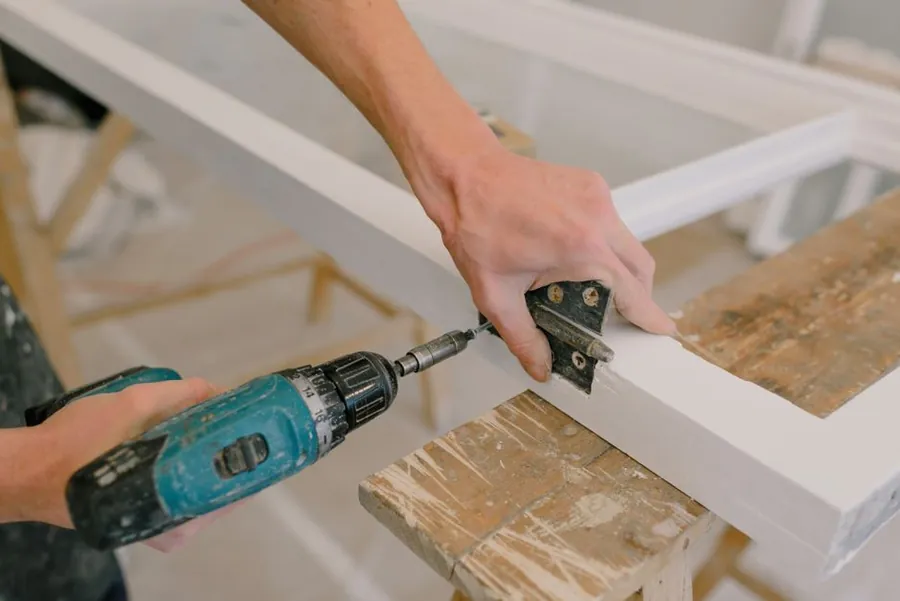
None of those are dramatic if they are caught early. All of them get more expensive the longer they run, in the same way a small stair repair is cheaper than a replacement - a point we went into in more detail in our piece on what a bespoke staircase costs in Torquay.
If you want to go deeper into how timber behaves as a material, Timber Development UK, the industry’s technical body, publishes a large library of guidance aimed at people who specify and build with wood. Otherwise, the short version is this: expect movement, resist the urge to fix it in spring, keep the air moving, and wipe things up when they happen. Do that and the joinery will still be shutting properly long after the kitchen appliances have been replaced twice.