
How Much Does A Bespoke Staircase Cost In Torquay?
Bespoke Joinery Torquay
Ask three joiners what a staircase costs and you will get three answers, all of them honest, because a staircase is priced by the hole it has to fill rather than by the metre. In Torquay that hole is rarely standard. A good part of the town went up between the 1840s and the First World War as villas and terraces for naval officers and visitors, and those houses were built to storey heights that suited the plasterer of the day rather than a modern flight-pack. Below is what the work actually costs here in 2026, and more usefully, what moves the number.
What A New Staircase Costs In Torquay Right Now
Three routes, three quite different bills. A stock softwood flight from a builders’ merchant runs about £800 to £2,500 before anyone fits it. A flight made to a survey, cut to your real floor-to-floor measurement in the timber you choose, sits between roughly £4,000 and £18,000. Repairing an original stair lands somewhere around £900 to £6,000, depending on how much of it needs remaking.
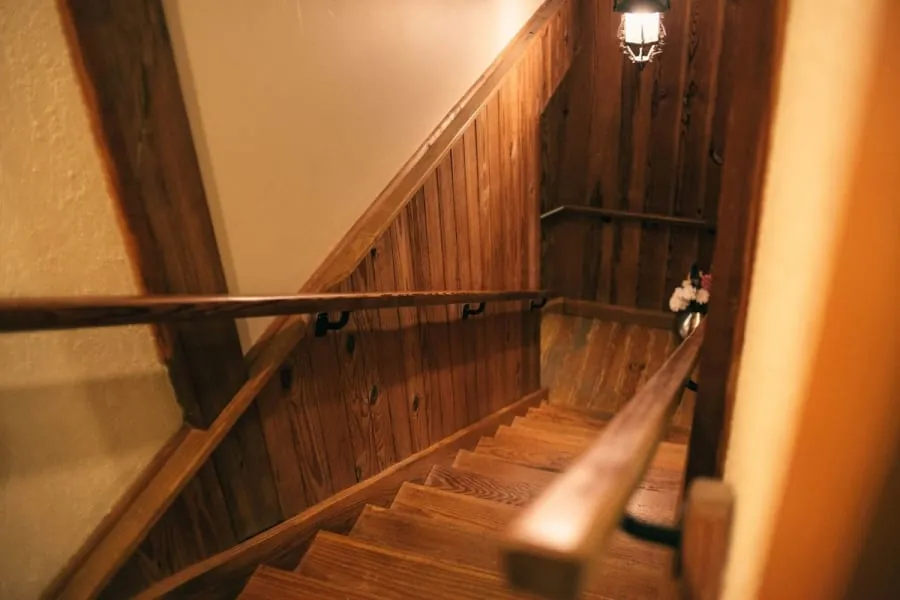
Those bands are wide because they cover everything from a straight run in a new extension to a double-turn flight in oak with a designed balustrade. Most domestic jobs we quote for on staircases in Torquay land in the lower half of the made-to-survey band. The £18,000 end is a feature stair - open risers, a turned landing, a handrail that has been laminated round a bend rather than mitred at it.
Here is the short version if you would rather watch than read.
Why The House Decides The Price Before You Do
The single biggest variable is not the design. It is whether the opening is square and standard, and in Torquay it very often is not.
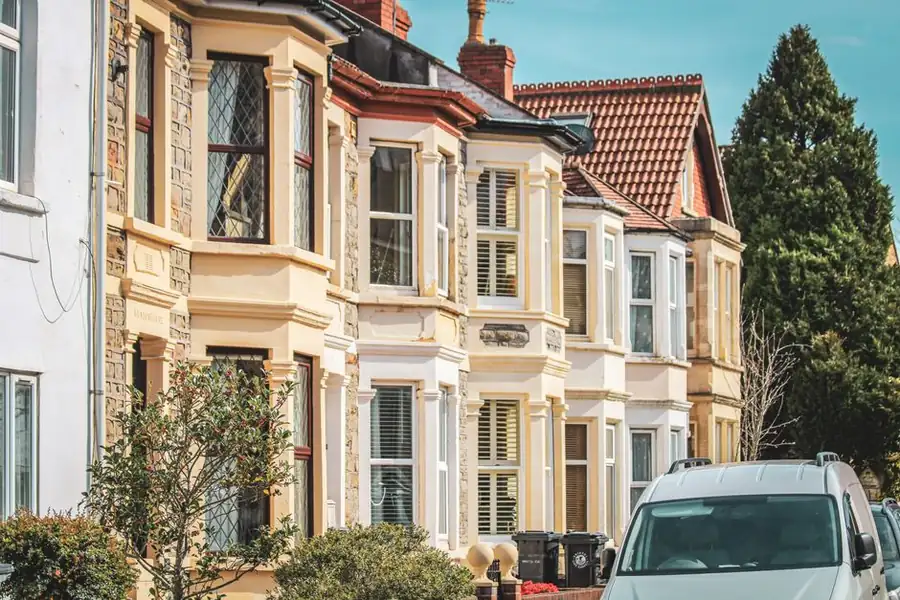
Total rise is measured from finished floor to finished floor, and period houses here throw up numbers that no catalogue flight matches. A villa around Ellacombe or the Warberries might have a ground-to-first rise of 2,900mm where a stock flight assumes 2,600mm. You cannot pack that out. Every riser in the flight has to be recalculated, which is exactly what a made-to-survey stair is for and exactly why it costs more.
Then there is the state of the opening. Trimmers that have sagged, a landing that is 15mm out of level end to end, walls that bow. None of that is a problem for a stair cut to a survey, but all of it is design time before a single board is machined, and design time is in your quote whether it is itemised or not.
The Regulation That Quietly Sets Your Budget
Replace a flight and you are doing building work, which means Approved Document K, the government’s guidance on protection from falling, applies. For a private stair the headline numbers are a rise of no more than 220mm, a going of at least 220mm, a pitch no steeper than 42 degrees, two metres of headroom, and no gap anywhere that a 100mm sphere will pass through.
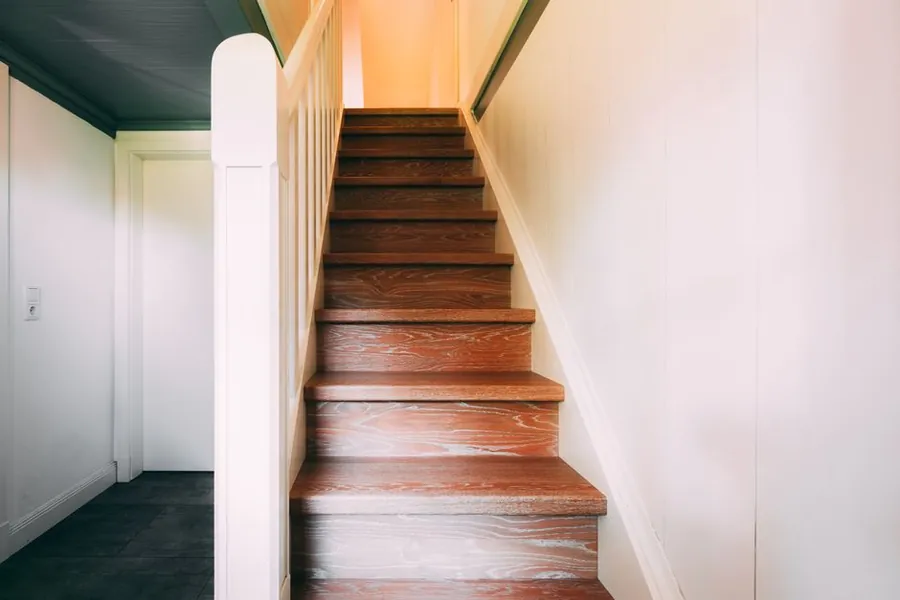
Read those together and you get the constraint that catches people out. If the rise is fixed by the building and the going is fixed by the regulation, the flight needs a certain length of floor - and if the hall does not have it, the stair has to turn. Winders, a quarter landing, or a half landing. Each of those is more parts, more setting out and more fitting time than a straight run, and a turn is usually worth £1,000 to £3,000 on the quote.
Headroom is the other one, and in a loft conversion it is nearly always the binding constraint. Two metres measured on the pitch line is not negotiable, so if the trimmer sits in the wrong place, either the trimmer moves or the stair does something clever. Both cost money. Finding this out at the survey is a design conversation; finding it out on fitting day is an expensive one. Torbay Council’s building control service will tell you what your particular job needs before you commit to anything.
Repair, Re-Cover Or Replace
Plenty of Torquay stairs that get quoted for replacement do not need replacing. The Victorian ones were built by people who assumed they would still be there in a century, and mostly they were right.
What actually fails is the surface and the fixings. Treads hollowed at the nose, a newel that rocks because the bolt through its base has let go, a run of balusters lost to a stair gate someone screwed on in 1987. All of that is fixable, and fixing it is normally the cheaper half of the range above. New nosings let into worn treads, the newel joint remade properly rather than filled, replacement balusters turned from one of the survivors as a pattern.
Replacement earns its money when there is rot at the foot of a string, when a conversion needs a fire-rated arrangement a repair cannot deliver, or when the stair is a 1970s insert that nobody will miss. Those are real reasons. “It looks tired” is not one, and a stair that goes in a skip cannot be put back.
Timber: Where The Money Actually Sits
Between the cheapest and dearest stock we would use on a stair there is a factor of three or four on material alone, but it does not translate straight to the quote.
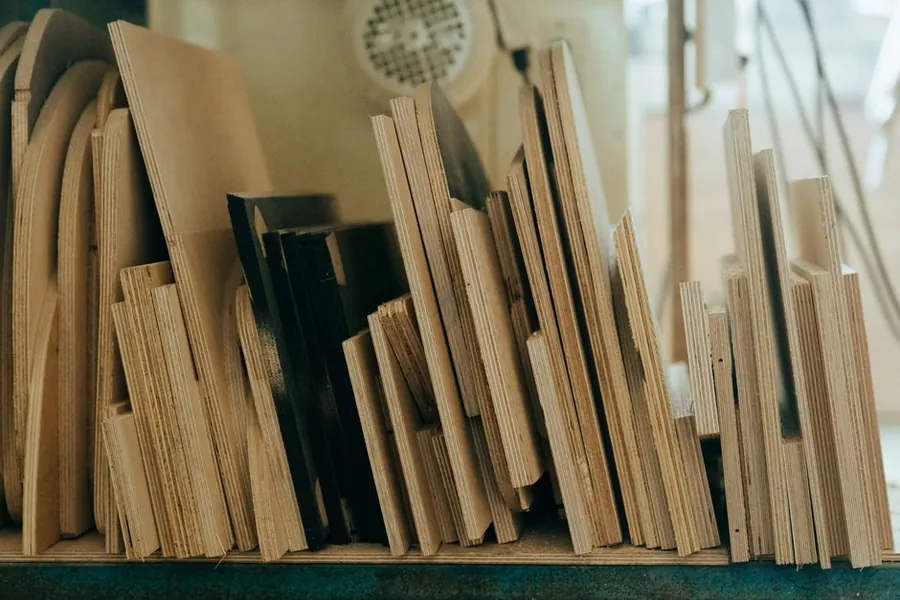
A painted stair uses cheap stock and expensive labour: tulipwood or MDF for the visible parts, then filling, priming, rubbing down and topcoating. A natural oak stair reverses it - the boards cost several times as much, but they get oiled and they are finished. The two land closer together than most people expect, so choose the look you want rather than chasing what you assume is cheaper.
Where timber genuinely dominates is the handrail and the treads, because those are the thick, wide, defect-free sections. A continuous oak handrail that turns with the flight can be a four-figure item on its own. If the budget is tight, that is the place to simplify, not the treads you walk on.
The Balustrade Is The Bit People Underestimate
Newels, handrail, spindles and the junctions between them can be a third of the cost of the whole job, and they are the part most likely to be missing from a headline price.
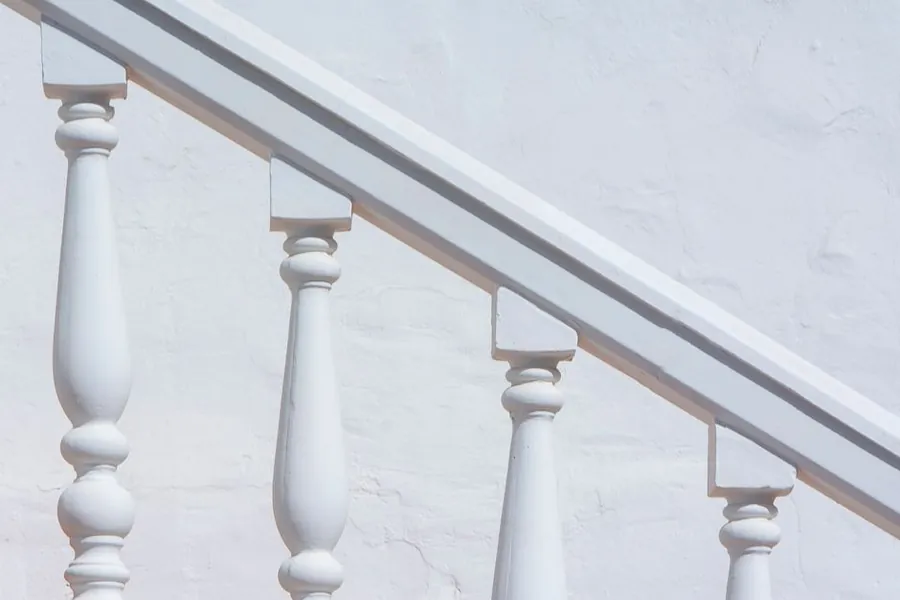
Plain square-section spindles in painted softwood are the cheap end. Turned spindles matched to an existing Victorian pattern mean a profile has to be set up before anything is made, which is a one-off cost that does not care whether you need six or sixty. Glass or steel infill is a different trade again, usually bought in, and the fixing detail into a timber string is where the fiddly hours go.
Design the balustrade at the same time as the flight. Added afterwards, it produces awkward junctions at the newel and the landing, and awkward junctions are slow to make.
What Should Be In The Quote And Usually Is Not
A staircase quote that is only a number is not a quote, it is a starting position. Before you compare two of them, check they cover the same work.
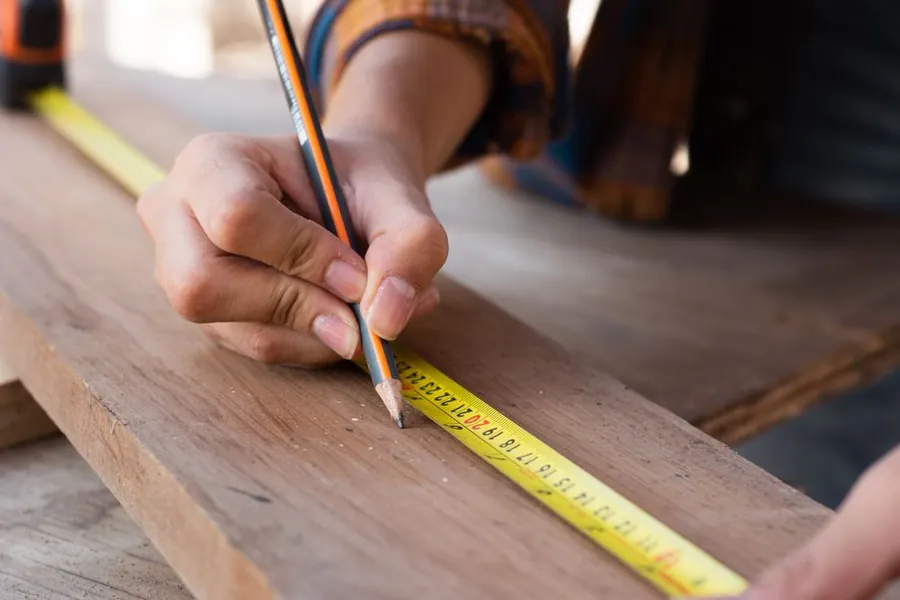
Ask specifically about who measured the total rise and what floor finishes they allowed for - if a 22mm engineered board is going down after the stair is in, that has to be in the sum from day one. Ask whether the balustrade, the newel caps and the finish are included or extra. Ask about making good: taking out an old flight damages plaster, and someone has to fill and paint it. Ask what happens to the old stair, because skip hire is real money. And ask about the finish, since an oiled stair needs the site clean and warm, which is not always available mid-build.
Check who you are dealing with, too. TrustMark, the government-endorsed quality scheme, is one way to sanity-check a firm you have not used before. For a broader look at how the rest of a joinery quote is built up, our guide to joinery costs in Torquay covers the drivers that apply across every job, not just stairs.
If you want a real figure rather than a band, the useful next step is a measured visit. Ten minutes with a laser and a level in your hall will tell you more than any price list can.