
Bespoke Joinery In A Torquay Listed Building Or Conservation Area
Bespoke Joinery Torquay
Torquay has sixteen conservation areas and Torbay as a whole has 864 listed buildings, which is a striking number for a town best known for its seafront and its beaches. Warberries, Lincombes, Torre, Tormohun, the harbour itself - each one carries its own protections, and between them they cover a large share of the town’s Victorian and Edwardian housing stock, the same houses that generate most of our joinery enquiries.
None of that is a reason to avoid commissioning work in a period Torquay property. It is a reason to know, before you start pricing a project, whether you are looking at a straightforward internal job or one that needs a conversation with the council first. This guide sets out what actually gets regulated, where people go wrong, and how to check before you spend money on drawings for something that was never going to be approved.
Torquay Has More Conservation Areas Than Most Seaside Towns Realise
Torbay Council is the planning authority for Torquay, Paignton and Brixham, and it administers conservation area designations that in Torquay’s case date back to the mid-1970s - Warberries and Lincombes were both designated in January 1975, Torquay Harbour that same March. These are not decorative labels. A conservation area designation exists specifically to control the cumulative effect of small changes, on the basis that one replacement window rarely damages a street but fifty of them, done piecemeal over twenty years, can quietly erase what made the area worth protecting in the first place.

For anyone commissioning timber windows and doors or similar external joinery, the conservation area boundary matters more than most people expect, because it can trigger a requirement for planning permission on work that would be entirely unregulated on the next street outside the line. Torbay Council’s own guidance on window applications is explicit that officers need enough detail - drawn to scale, showing the existing and proposed profile - to judge the impact on the building and the street, which is a different and stricter bar than “like for like, roughly.”
What A Listing Actually Covers - Not Just The Front Door
The instinct most people have is that listing protects a building’s exterior and appearance from the street, and that anything happening inside is nobody’s business but the owner’s. That is not how it works. Historic England’s guidance on listed building consent is clear that, unless the list entry says otherwise, a listing covers the whole building, internal and external, and can extend to fixtures fixed to it - which in practice means staircases, panelling, fireplaces, and built-in joinery can all fall inside the protection even though a passer-by would never see any of them.
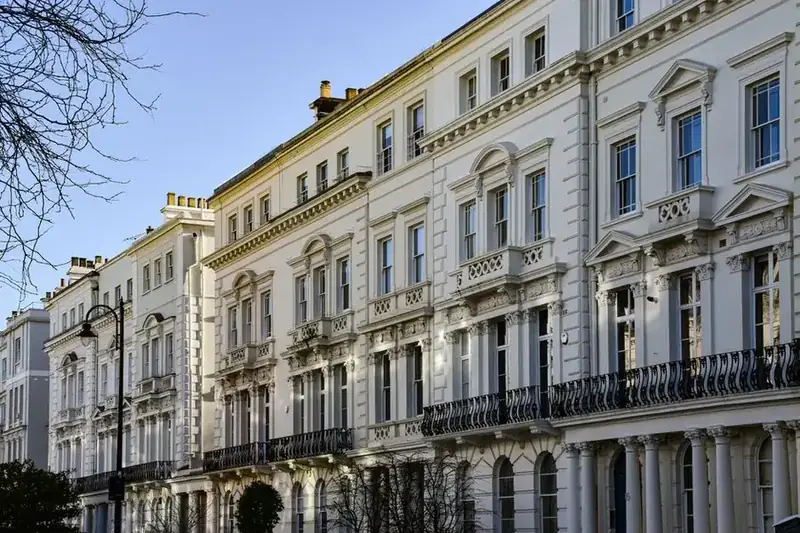
This catches out more people than the window question does, because there is no visible clue from the street that tells you internal consent is needed. If your Torquay property is listed, the safest starting assumption is that any alteration beyond straightforward decoration - a new staircase, removing a built-in cupboard, changing an internal door - is worth a call to the council’s conservation officer before you commission drawings, not after.
Article 4 Directions - The Rule Homeowners Miss
Torbay currently has two Article 4 directions in place, one of which restricts the conversion of single dwellings into HMOs. An Article 4 direction is a separate mechanism from listing or conservation area status: it is a specific order removing permitted development rights that would otherwise let you carry out certain works without needing planning permission at all. The Planning Portal’s guidance on permitted development rights notes plainly that a council can remove these rights where it judges the character of an area is under threat, and that this is most commonly used inside conservation areas.

The reason this matters for joinery specifically is that permitted development is exactly the category of small, individually unremarkable change - a replacement window, a porch, a rooflight - that homeowners assume needs no paperwork. In a street covered by an Article 4 direction, that assumption can be wrong even outside a formally listed building. Always check with Torbay Council’s planning team whether your specific address is inside one of the current directions before assuming a job is permitted development by default.
Replacing Timber Windows In A Conservation Area
Windows are the single most common joinery job that runs into planning questions in Torquay, for the obvious reason that they are the most visible part of a house from the street. Torbay Council’s guidance states that Listed Building Consent is required for replacement windows in listed buildings in almost every instance, and that even outside listing, a conservation area application needs to show the new window matches the existing one closely enough - frame material, glazing bar arrangement, opening method - for an officer to judge there is no harm to the street scene.
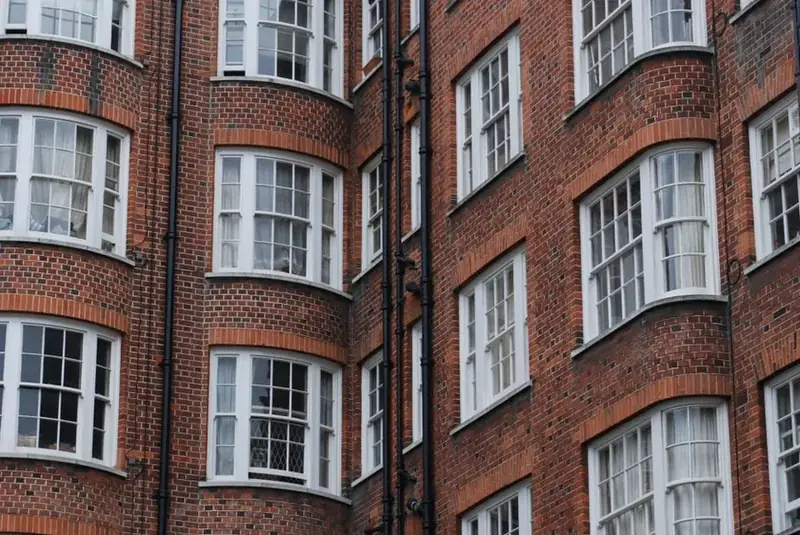
This is one area where working with a joiner rather than a national window company genuinely pays off, because matching an existing glazing bar profile in painted timber is a bespoke job, not a catalogue option. A modern uPVC unit dressed up to look traditional rarely satisfies a conservation officer looking closely at proportions and reveal depth, whereas painted timber built to match the original, section for section, usually does.
Staircases, Fireplaces And Internal Joinery In A Listed Building
If your listed Torquay property still has its original staircase, treat it as one of the most protected features in the house, whatever condition it happens to be in. A worn tread or a wobbly baluster is a repair; ripping out the flight and replacing it with something new is very often a consent question, precisely because staircases are named directly in Historic England’s guidance as one of the fixtures a listing typically covers. We went through the general cost picture for what a bespoke staircase costs in Torquay previously - the same budget ranges apply here, but a listed property adds a step most homeowners don’t budget time for: getting sign-off before a single joint is cut.
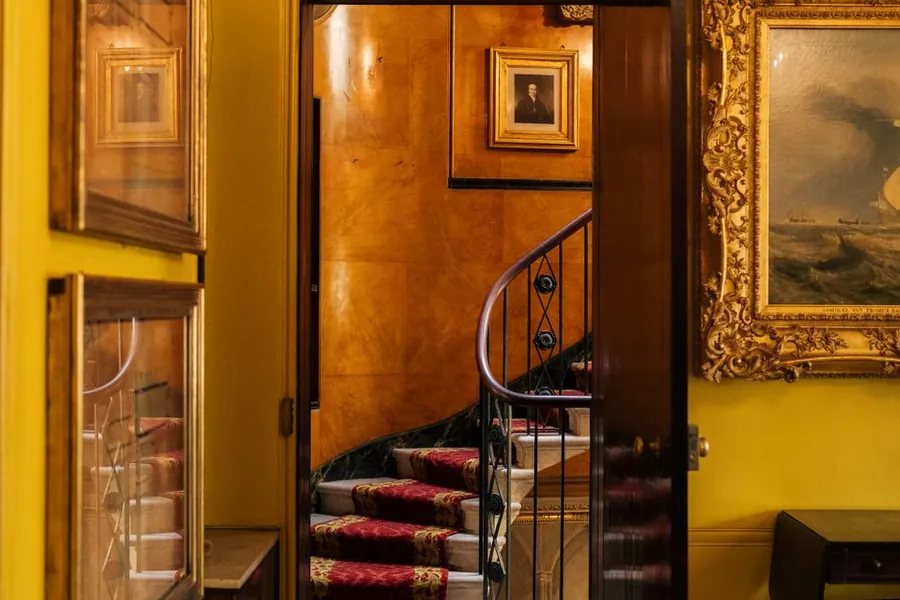
The same logic covers fireplaces, internal doors, and fitted cupboards original to the house. Where the fabric is sound, repair rather than replacement is nearly always the path of least resistance with a conservation officer, and often the cheaper option too - a joiner can frequently restore a damaged original far more economically than a full listed building consent application followed by a bespoke replacement would cost.
What Happens If You Fit Joinery Without The Right Consent
Carrying out unauthorised work to a listed building is a criminal offence in England, entirely separate from an ordinary planning breach, and the council can require work to be undone at the owner’s expense regardless of how much it cost to install. It is also not a problem that stays contained to the moment it happens. A conveyancing solicitor acting for a buyer will ask directly whether every past alteration to a listed property had the correct consent, and a gap in that paperwork can hold up or unwind a sale years after the joinery itself was finished.

Retrospective applications exist, but they are judged on the same merits as one submitted in advance, with the added disadvantage that the work is already done and cannot easily be presented as a proposal open to negotiation. It is almost always cheaper, in money and in stress, to have the conversation with the council before ordering timber than to have it afterwards.
Checking Before You Commission Anything
Two registers answer most of the practical questions before you get anyone out to quote. Historic England’s National Heritage List for England confirms whether a specific address is listed and at what grade, and Torbay Council’s planning pages let you check whether an address sits inside a conservation area boundary or an Article 4 direction. Both are free, and both take a few minutes to search properly - considerably less time than a planning application that turns out not to have been needed, or worse, one that should have been submitted and was not.

If you already know your Torquay property is listed or sits within one of the town’s conservation areas, tell us that at the survey stage rather than after drawings are underway - it changes what we specify from the very first sketch, not just the paperwork at the end. Get a free quote and we will talk you through exactly what your address does and doesn’t need before anything is committed to timber.