
Bespoke Joinery For Torbay Holiday Lets And Guest Houses
Bespoke Joinery Torquay
A holiday let is not a house that happens to have guests in it. It is a piece of equipment, and joinery is the part of it that takes the most punishment. Torbay’s visitor economy runs to roughly £500 million a year. A well-booked cottage or apartment in Torquay will turn over something like thirty to forty times between Easter and the October half term. That is thirty to forty sets of suitcases dragged across a bedroom floor, wardrobe doors opened by people who do not own them, and a kitchen cooked in by a different household every week. Furniture bought for a family home is designed around one careful owner. Furniture in a let is designed around a stranger in a hurry.
This is about what that difference means when you are specifying joinery for a letting property in Torquay, Paignton or Brixham: where made-to-measure work pays for itself, where it genuinely does not, and the rules that quietly shape the whole job.
Changeover Day Is What Your Furniture Is Really Built For
Watch a changeover and the failure points announce themselves. It is never the carcass that goes first. It is the drawer runner that has been slammed shut two thousand times, the hinge that has dropped so the door no longer sits flush, the shelf that has bowed under a suitcase somebody decided to store on it. Bought furniture is engineered to a domestic duty cycle, and a let is closer to light commercial use.
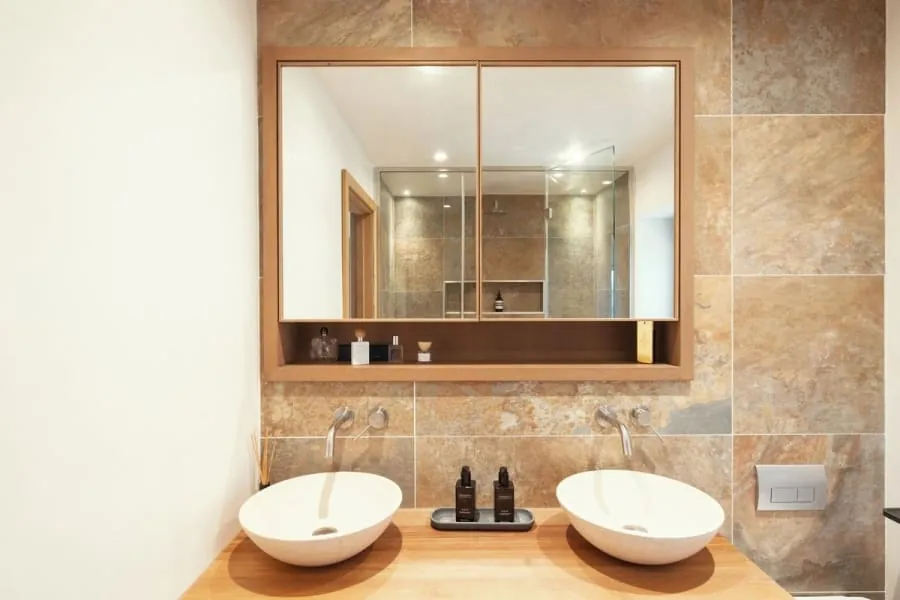
The practical answer is not to spend more everywhere - it is to spend where the movement is. Solid drawer boxes with decent running gear, hinges that can be adjusted rather than replaced, and shelves at a thickness and span that will not sag. The panels either side of them can be perfectly ordinary. Most of what we make for letting properties through our bespoke furniture work is unremarkable to look at and heavily overspecified in about four places.
Storage Is Where The Reviews Get Won Or Lost
Guests do not write about your cabinetry. They write about whether there was anywhere to put anything. A couple staying a week arrive with two large cases. If the only wardrobe is a 900mm double with a single rail, those cases spend the week open on the floor. That is what makes a room photograph well and live badly.
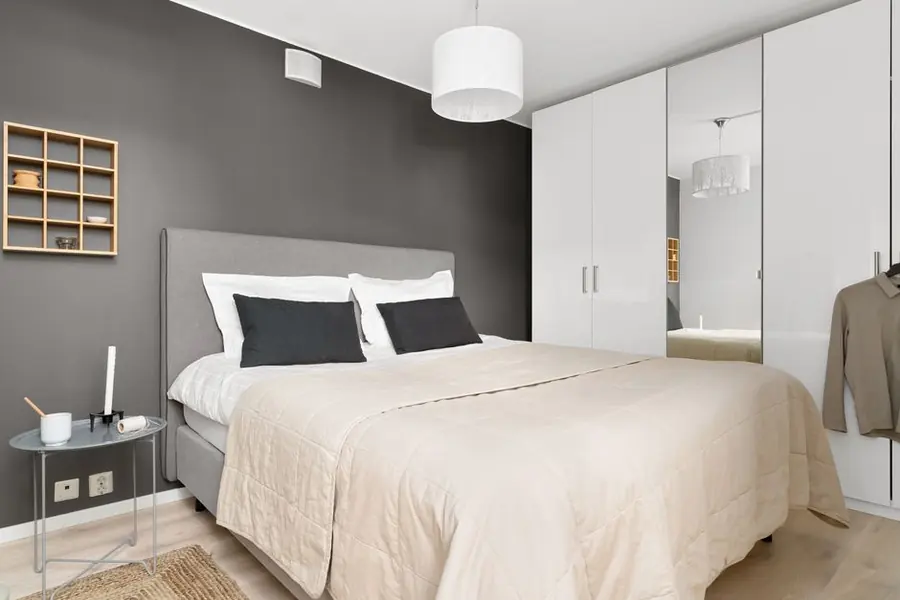
Fitted storage solves this by using the height. A run of wardrobes taken to the ceiling gives you a top box deep enough to swallow empty suitcases, which is the single most useful thing you can offer a guest and the hardest to buy off a shelf. Look at the subdivided Victorian villas around the Warberries and Wellswood, where a generous first-floor bedroom has often been carved into two. The walls are rarely square. The ceilings are rarely the same height at both ends, so a bought wardrobe leaves a dust gap at the top and a scribe line down one side. A made run does not, and it holds appreciably more.
Sleeping Six In A House Built For Four
The clearest commercial case for joinery in a let is bed count, because the nightly rate moves with it. A property advertised as sleeping six books at a different price from the same property sleeping four, and it reaches a different market - families rather than couples, which is most of the Torbay summer.
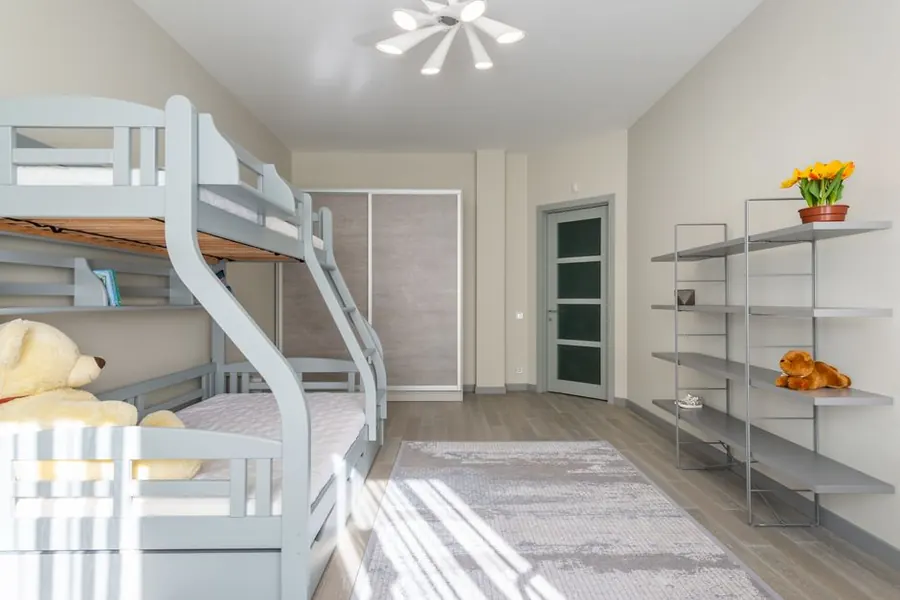
Built-in bunks are how that is usually done without building anything. A pair fitted into an alcove or beneath a sloping ceiling occupies a footprint no freestanding bunk could work in, and because the frame is fixed to the structure rather than standing on its own legs, it can be shallower and still be solid. Window seats that lift to reveal a single berth do a similar job in a box room. The caveat matters, though: adding a bed is not the same as adding a bedroom. A room being slept in has to be habitable in its own right, with adequate means of escape, and that is a question to settle with the design rather than discover afterwards.
The Fire Rules Fitted Furniture Has To Sit Inside
Two separate things catch people out here, and they are easy to confuse. The first is upholstery. Anything with a filling in it - banquette cushions, window seat pads, upholstered headboards - is caught by the Furniture and Furnishings (Fire) (Safety) Regulations 1988, and you need the paperwork to show it. If a joiner is making you a banquette, the frame is joinery but the cushion is a regulated product, and it is worth being explicit about who is supplying which.
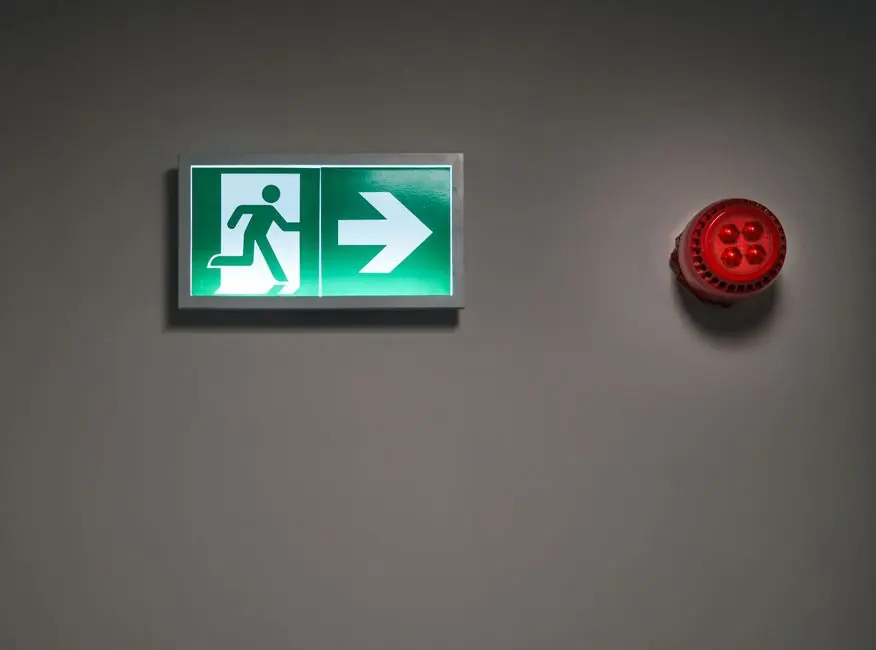
The second is where the furniture goes. A tall unit on a landing that narrows an escape route, or a fitted cupboard that stops a door opening fully, is the kind of thing that surfaces in a fire risk assessment rather than in a joinery quote. Since letting property is treated as sleeping accommodation, the government’s fire safety guidance for sleeping accommodation is the right reference point, and it is far cheaper to read it before the drawings are signed off than to move a finished cupboard.
A Kitchen That Gets Forty Different Cooks A Year
Nobody treats a rented kitchen the way they treat their own. Pans go back wet, worktops take heat they should not, and cupboard doors get shut with a hip rather than a hand. The kitchen in a let ages roughly three times as fast as the same kitchen in an owner-occupied house, and it is the room guests judge hardest.
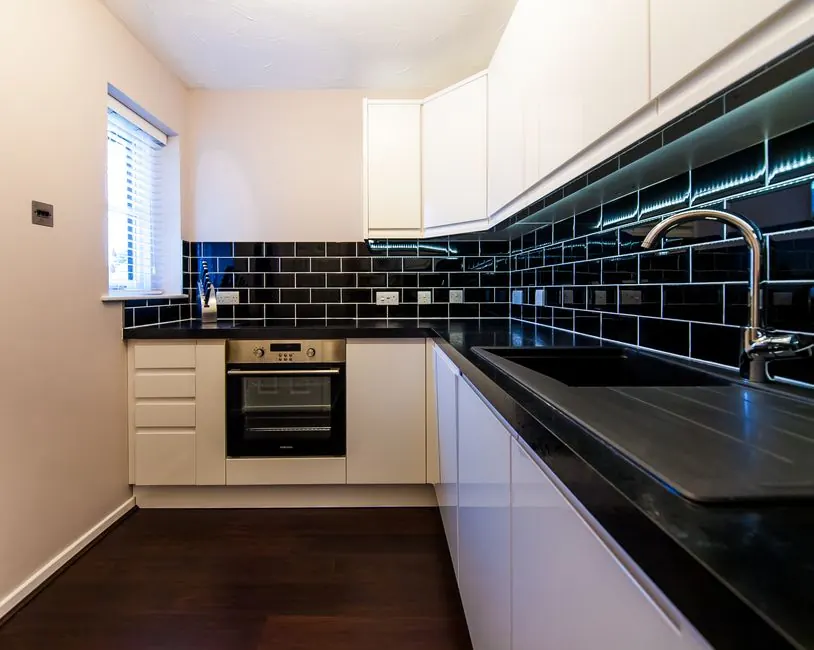
That does not argue for an expensive kitchen. It argues for a robust one, and the two are different. A full bespoke kitchen at £10,000 to £30,000 rarely makes sense in a let; a made run of base units with a hard-wearing worktop, solid drawer boxes and doors that can be individually replaced usually does. The word to press on is replaceable. Damage in a let is inevitable, so the useful question is not whether a door will get chipped but how quickly and cheaply you can swap one without matching an entire kitchen that is no longer made.
What A Fit-Out Costs Against What A Week Earns
Rough bands, for a Torbay property. A run of fitted wardrobes in a guest bedroom sits around £900 to £3,000 depending on length and finish. A built-in bunk with storage under it is typically £1,500 to £3,000. A made kitchen run for a two-bedroom apartment, without appliances, generally lands between £4,000 and £9,000. Fitting out a whole three-bedroom let - storage in each bedroom, a kitchen, and a hall or utility run - realistically means a five-figure number.
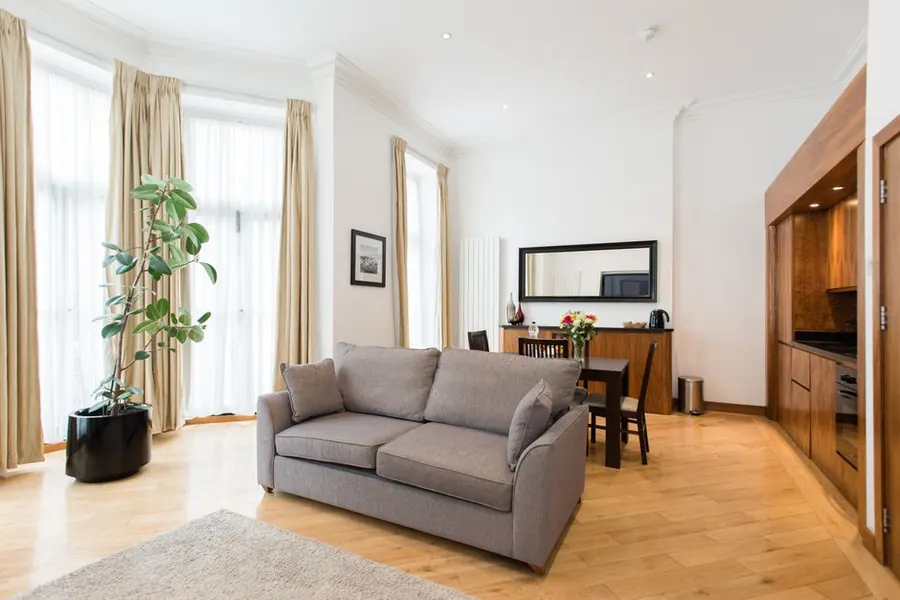
Set that against income rather than against a domestic budget, because the arithmetic is different. A peak-season week in Torbay covers a meaningful slice of a bedroom fit-out on its own, and joinery that lifts a property from sleeping four to sleeping six changes what every week of the season is worth, not just one. It is also worth knowing where you stand on business rates for self-catering and holiday let accommodation before you spend, since the letting thresholds that decide whether you sit in business rates or council tax will shape how hard you need the property to work.
Fitting It In Around A Torbay Season
The season is the real constraint. Between Easter and October a let worth owning has very few empty weeks, and the ones it has arrive as single nights between bookings - useless for fitting anything. That pushes the work into January, February and early March, when the property is genuinely empty and a whole house can be done in one visit rather than a room at a time.

Book it in the autumn rather than the new year. The making happens off site, so the weeks in the workshop cost you nothing in lost bookings - it is only the fitting days that close the property, and those are the ones worth putting in the diary early. Winter also heats the building unevenly, which is exactly the pattern that moves timber about. A let that stands empty and cold for months and is then heated hard for a changeover puts more strain on a finish than a lived-in house ever does, so it is worth reading what we wrote about looking after timber joinery in a Torbay home before you settle on one. The same seasonal logic drives our commercial joinery work for bars and shops across the bay, for the same simple reason: nobody in Torbay can afford to be shut in August.
If you let a property in Torquay, Paignton or Brixham and want a figure for fitting it out properly over the winter, get a free quote and we will come and measure it.