
How To Choose A Bespoke Joiner In Torquay: What To Ask Before You Pay A Deposit
Bespoke Joinery Torquay
Choosing a bespoke joiner in Torquay usually starts with a search, a few names and three people turning up with tape measures. What it should start with is a clear idea of what you are buying, because the word “joiner” gets used by firms that make furniture from raw timber and by firms that bolt together units delivered on a pallet. Both will happily quote for an alcove unit in a Wellswood villa. Only one of them will be making it. On our own guide prices, simple painted alcove shelving costs from about £1,800 for the pair, and a full wall of painted wardrobes in a Victorian bedroom often comes to £5,000 to £8,000, so picking the wrong firm is an expensive mistake. Below is how we would vet a joiner if we were on the other side of the table: the questions to ask at the survey, what the quote has to say in writing, what a fair deposit looks like, and the warning signs that are particular to Torbay houses.
Joiner, Cabinet Fitter Or Flat-Pack Installer?
Three trades get lumped under the same heading, and their prices only make sense once you know which one you are talking to.

A flat-pack installer assembles furniture you have already bought, from instructions, with the parts it came with. A cabinet fitter installs units made by a manufacturer in fixed widths, usually stepping up in 50mm or 100mm increments, then closes the leftover gap with a filler strip. A bespoke joiner draws the piece from your measurements, cuts it from board and solid timber, assembles and finishes it in a workshop, and fits it so the carcass meets the wall rather than a filler.
None of that makes fitters cowboys. A good one is worth having if you are happy with standard boxes. The trouble starts when someone priced like a fitter describes the job like a joiner. Ask straight out who makes the carcasses and doors, and where. If the answer is a supplier, you are being offered fitted furniture, which is fine as long as you know it. If you want fitted wardrobes made to measure in our Torquay workshop, or any other piece built around the room, the person quoting should be able to tell you what goes on in their own building.
Where Is It Actually Made?
Some joiners make almost everything on site, cutting sheets on a track saw in your front room. Others build in a workshop and bring finished sections to the house. Either can turn out good work. They just suit different jobs.

Workshop making means the cutting, jointing and most of the finishing happen away from your home, so the dust and noise stay out of it and a sprayed finish can cure in a clean booth rather than in a hallway. Site making can work out cheaper for a simple painted cupboard and lets the joiner scribe every edge in place. The question to ask is how many days they expect to be in the house, and what will happen there. A wardrobe that arrives sprayed and assembled might take a day or two to fit. The same wardrobe made in your bedroom could take a fortnight of sawdust.
We make in Barton and fit on site, which is why we always ask what the finish will be before we quote. A hand-painted finish applied after fitting needs extra days in your house, while a factory-sprayed one does not.
Ask To See Work That Has Survived A Torbay Winter
Photographs on a website show a piece on the day it was finished. What you want to know is how it looks after a few years in a Torquay house, where the air off the bay is damp for much of the year and a seafront flat gets salt on the window glass.

Ask a shortlisted joiner whether they can show you a job that is a few years old, or put you in touch with a past customer. Then ask about timber. A joiner who works locally should have an opinion on why a painted MDF door is fine in a bedroom but a poor choice for a boot room in Babbacombe that takes wet coats and sandy wetsuits, or why solid oak on a south-facing bay in Paignton will move more than the same oak on a north wall. Our post on what a bespoke joinery survey in Torquay involves goes into how those details get recorded on the first visit. The point here is simpler. If the person quoting cannot explain how their material copes with your room, they are guessing.
Look at the edges and the insides, too. Drawer boxes, the backs of doors and the hidden end panels tell you more about a maker than the front face does.
Can They Get It Into Your House?
This one catches people out in Torquay more than anywhere we work. Plenty of houses on the hills sit above or below the road, reached by a flight of garden steps. Converted villas put flats on the second or third floor up a turning stair. Lanes in the older parts of town can be too narrow for a van to stop.

A full-height wardrobe carcass or a 2.4-metre kitchen tall unit will not go up a 90cm stair with a quarter turn. A joiner who has worked in Torbay will ask about this at the survey and design the piece to be built in sections and joined in the room, with the joints hidden behind a door or a cornice. Someone who does not ask may turn up on fitting day with a piece that cannot get through the front door.
Also ask where the van will go. On a lot of Torquay streets there is nowhere obvious to stop, and a fitting crew needs to unload long, heavy panels. Sorting that out a week early is far easier than doing it on the morning.
What The Written Quote Must Say
A price on the back of a business card is not a quote. Neither is a one-line email saying “wardrobes, supply and fit, £4,200”. You want a document you can hold the finished job up against.
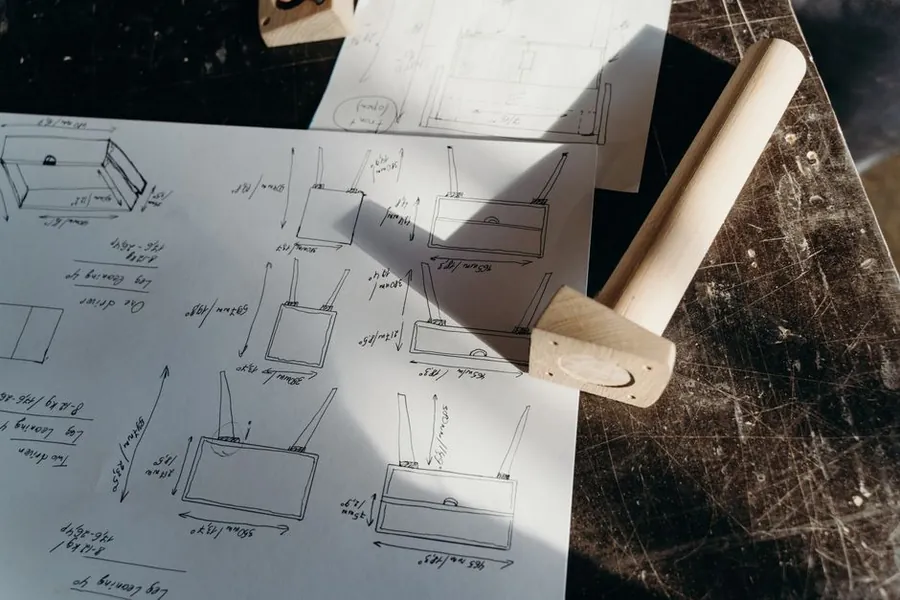
At minimum, it should state:
- The board or timber for carcasses, doors and any face you can see, by name (moisture-resistant MDF, birch plywood, tulipwood, oak, and so on)
- The finish, how it is applied, and whether it is fully painted or only primed for your decorator
- Hinges, drawer runners and handles, with a brand or a description
- Whether fitting is included, and whether removal of old units and disposal is
- Making good: who fills, sands and paints the wall, skirting or ceiling where the new piece meets it
- VAT, shown clearly, and what is excluded (electrics, plastering, decorating)
- An expected lead time from approval of drawings, and the deposit and stage payments
Making good is the line most often missing. On a period house where a skirting has to be cut back or a cornice scribed round, it can be a day’s work in its own right. If it is not written down, assume it is not included.
Under the Consumer Rights Act 2015, section 49, any trader supplying a service has to do it with reasonable care and skill. A quote that spells out the materials and the finish gives you something concrete to point to if the work falls short.
Lead Times And Deposits: What Is Normal?
Good joiners are rarely free next week. A wait of several weeks before making starts is ordinary, and longer in late spring when Torbay holiday-let owners want everything finished before the summer bookings. Be more wary of someone who can start on Monday than of someone who cannot start until next month.

A deposit is reasonable for made-to-order work, because the maker is buying timber and board for a piece nobody else can use. What it should not be is most of the money before a single drawing exists. Pay it once you have signed off the drawings and the specification, and agree in writing when the balance falls due, usually on completion or split around delivery and fitting.
If you can, pay the deposit by credit card. For purchases between £100 and £30,000, the card provider can be jointly liable if the trader fails to deliver, and Citizens Advice explains how to claim money back on a card payment. A bank transfer gives you none of that.
Listed Villas, Conservation Areas And Holiday Lets
Torquay has a lot of listed buildings and a lot of conservation areas, and the joiner you choose should know which questions belong to them. Torbay Council is the planning authority for the whole bay, so for listed building consent in Torquay, Paignton or Brixham it is the council’s team you speak to.
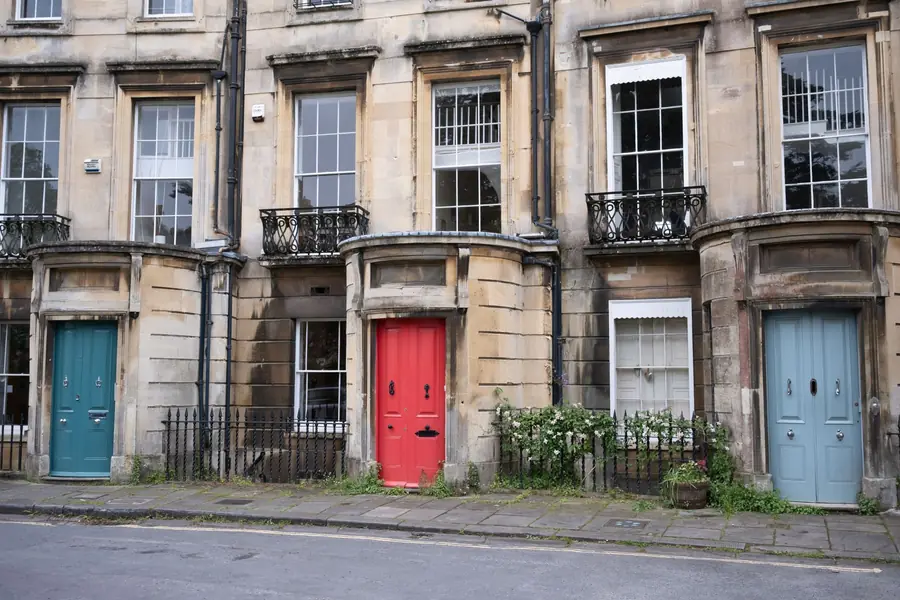
In a listed house, fixings into original plaster, the removal of an old cupboard or a change to historic doors can all need consent, even though the work is inside. A joiner used to these houses will ask whether the property is listed before quoting, and will design new work so it can be removed later without much damage. In a conservation area that is not listed, internal fitted furniture is not controlled, but timber front doors and windows may be. Torbay Council publishes its conservation area appraisals and Article 4 areas, which is the first place to look before replacing a front door on one of the old streets.
Holiday lets bring their own questions. Ask the joiner how their finishes stand up to weekly cleaning, whether drawer runners and hinges are rated for heavy use, and whether they have fitted out a let before. A wardrobe that suits a family bedroom can look tired after two summers of changeovers.
Red Flags Worth Walking Away From
Most of what goes wrong with joinery was visible before any money changed hands. These are the signs we would walk away from.
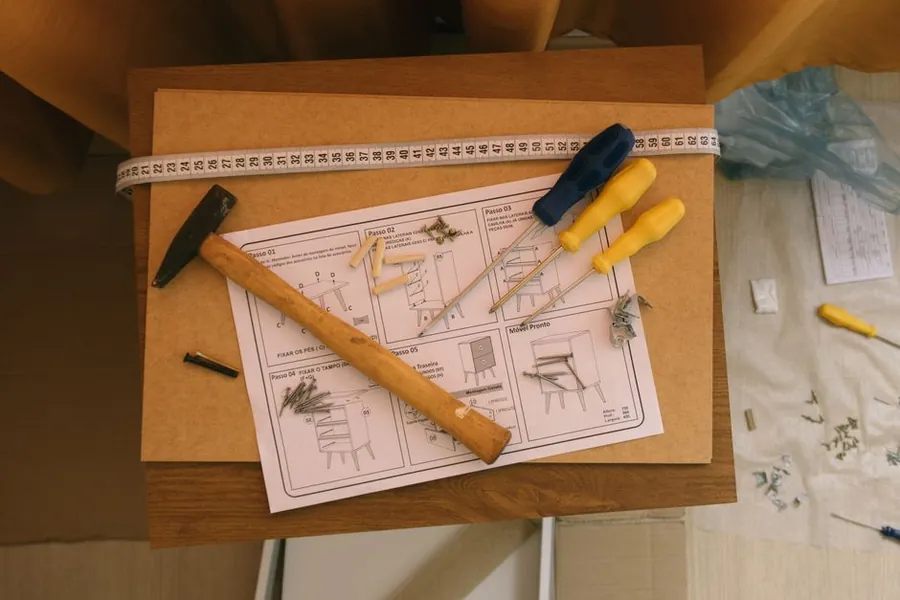
- A price given at the door, before anything has been measured properly
- No drawing, or a promise that one will be “sorted as we go”
- Asking for the full amount, or close to it, before work starts
- Cash only, with no written quote or invoice
- Vague answers about materials, such as “good quality board” with no name
- No mention of making good, access or how the piece gets up your stairs
- No photographs or past customers they are willing to put you in touch with
- A start date that is suspiciously soon, paired with pressure to decide today
Any one of these can have an innocent explanation. When you spot three, stop returning the calls.
If you want a joiner who will measure properly, draw it up and put every line in writing, book a free survey and quote for bespoke joinery in Torquay and we will come out to see the room.