
Bespoke Joinery In Paignton And Brixham: What The Houses Need And What It Costs
Bespoke Joinery Torquay
Torquay gets most of the attention, but a good share of our bespoke joinery goes to the other two towns in the bay. Paignton and Brixham sit a few miles apart under the same council, Torbay, and they could hardly be less alike to work in. Paignton is wide streets, Victorian villas near the sea and street after street of twentieth-century bungalows and semis. Brixham is fishermen’s cottages stacked on a hillside, where a van parks fifty metres from the door and the stair is often the steepest thing in the house. Brixham Town conservation area alone holds 108 listed buildings. This guide covers what each town’s houses tend to need, how we deal with access and salt, where conservation rules come in, and what it all costs.
Two Towns, One Council, Very Different Front Doors
A Paignton survey and a Brixham survey look nothing alike. In Paignton we are usually measuring for alcove units, wardrobes in a loft bedroom or a kitchen in a knocked-through back room, and the questions are about layout. Brixham visits are mostly about squeezing storage out of rooms that were never meant to hold much, and about getting the finished work in at all.
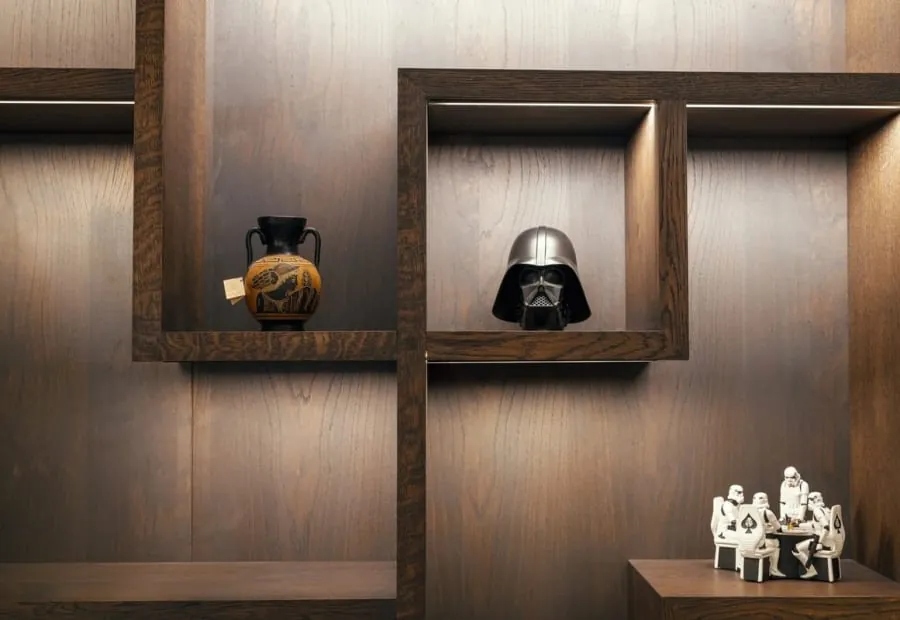
What the two have in common is that almost nothing is standard size. Chimney breasts are slightly different widths on each side of the same room. Floors fall towards the bay. Ceilings in a converted bungalow drop from 2.4 metres to under a metre over the width of one bedroom. That is where made-to-measure alcove units and home office joinery earns its money, because a bought cabinet either leaves a gap you can post a hand into or does not fit at all.
Paignton Houses: Alcoves, Bays And Rooms Under The Roof
Paignton has more variety than people expect. Round Polsham and Roundham, near the seafront and the harbour, there are big Victorian and Edwardian villas with tall ceilings, deep bays and a fireplace in nearly every room. Most of the town, though, especially out towards Preston and Goodrington, is twentieth-century: bungalows, semis and short terraces built for families and retired couples, many with the loft converted since. For bespoke joinery in Paignton, that splits the work three ways.
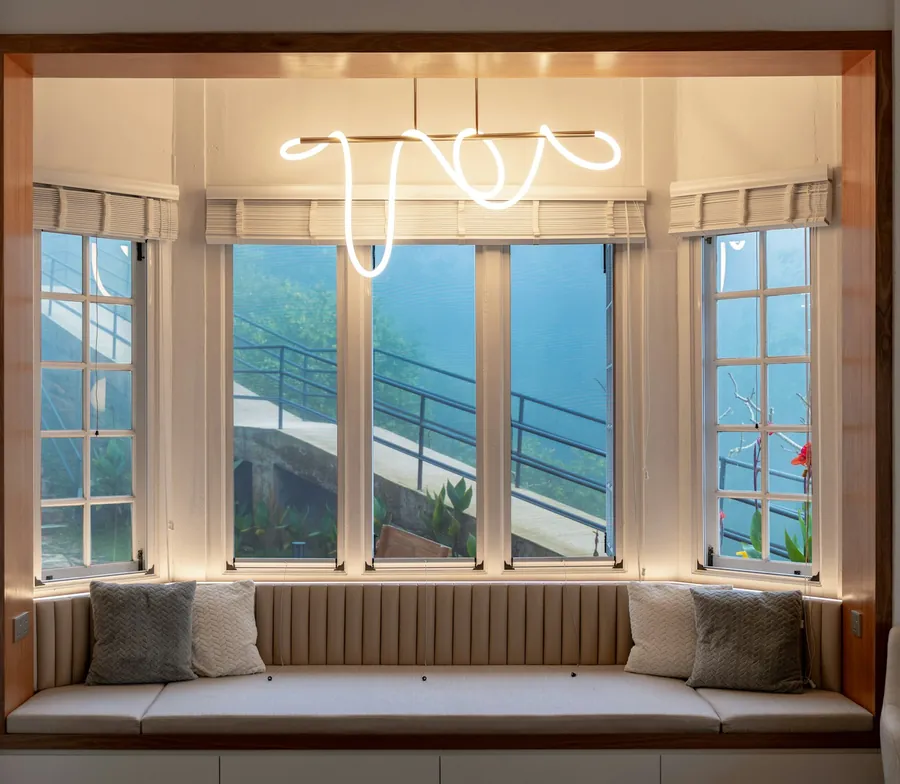
In the villas it is alcoves and bays. A pair of chimney alcoves takes cupboards below and shelves above, and the bay window takes a seat with lift-up lids or drawers underneath. We scribe both to the wall rather than packing them out, so the old plaster’s waves disappear behind a straight edge. Loft-converted bungalows are the other big source of work. The bedrooms up there have one tall wall and three sloping or low ones, so a wardrobe has to follow the rake of the ceiling, and the triangle behind the knee wall becomes drawers. The third group is holiday lets and flats carved out of old guest houses behind the front, which need hard-wearing storage that cleans in a minute.
Brixham Cottages: Working Around The Staircase
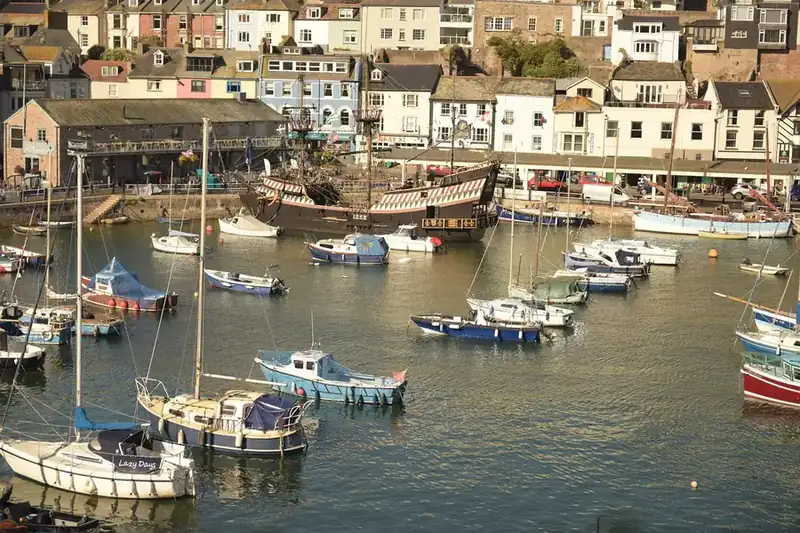
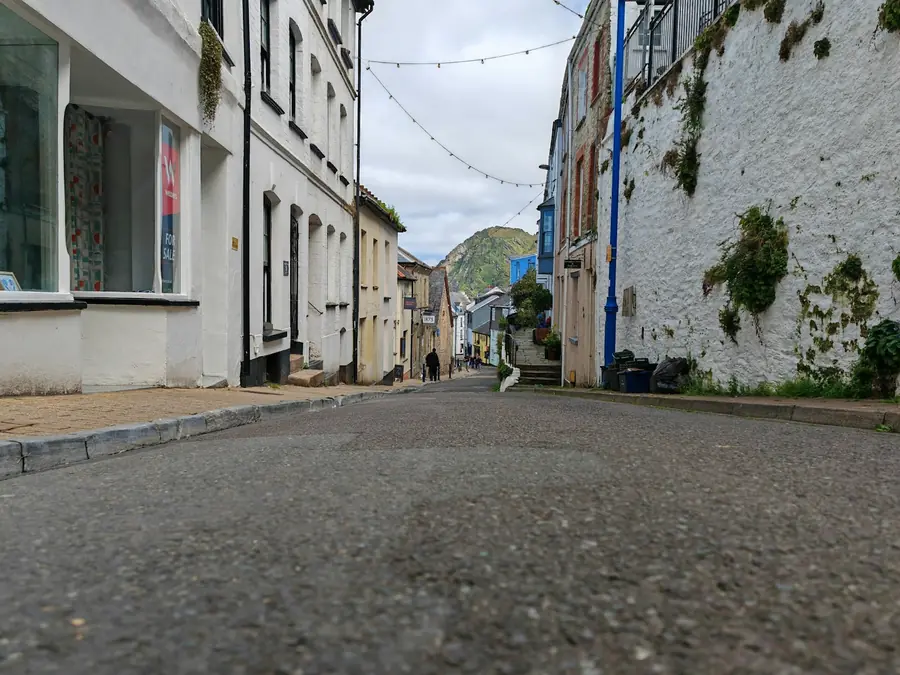
Brixham’s houses went up the slopes because the harbour was hemmed in. Torbay Council’s conservation appraisal describes tight clusters of terraces linked by alleys and long flights of steps, many built in the grey Devonian limestone the town stands on. Inside, that usually means two small rooms per floor and a stair squeezed between them, often winding at the top and boxed in with boarding.
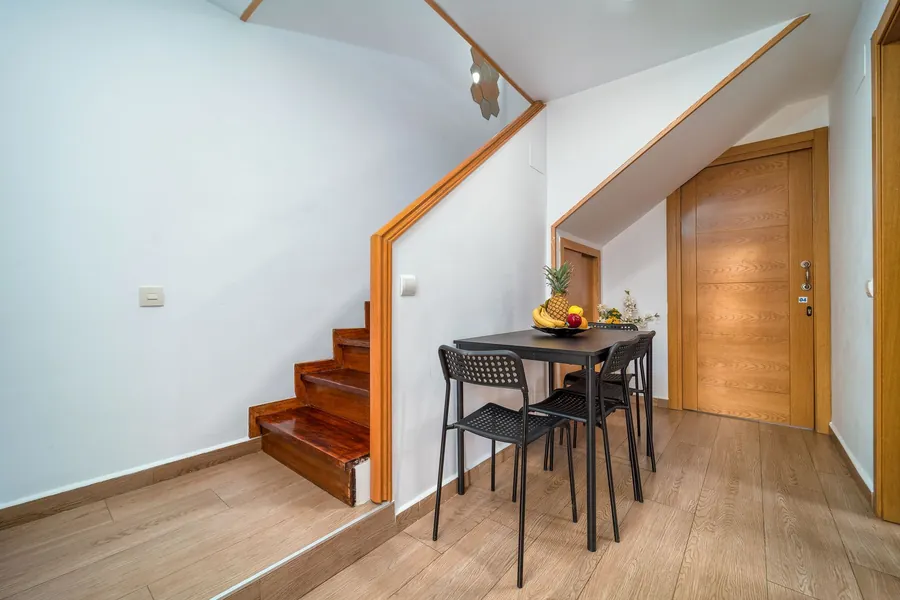
The stair decides almost everything. Some owners want it replaced, because it is genuinely dangerous, and in that case the new one has to work within Approved Document K of the Building Regulations, which caps a private stair at a 220mm rise and a 42 degree pitch. In a cottage only a few metres deep, those two limits pull against each other, so the drawing comes before any promise. Others keep the stair and want the space around it used: a cupboard or a run of drawers underneath, shelves over the stairwell, a slim wardrobe on the landing where the stair box intrudes into a bedroom. Window seats come up a lot as well. With the harbour view right there and not enough floor for an armchair, a seat built into the deep reveal of a rubble wall does two jobs at once.
Getting The Work Up Brixham’s Steps
Access is the thing that catches out joiners who do not know the town. Plenty of houses above the harbour, round Furzeham and up towards Berry Head have no road outside at all. The route in might be forty steps, a gate, a sharp turn and a front door 750mm wide. A wardrobe built in one piece in the workshop is simply not going to arrive.
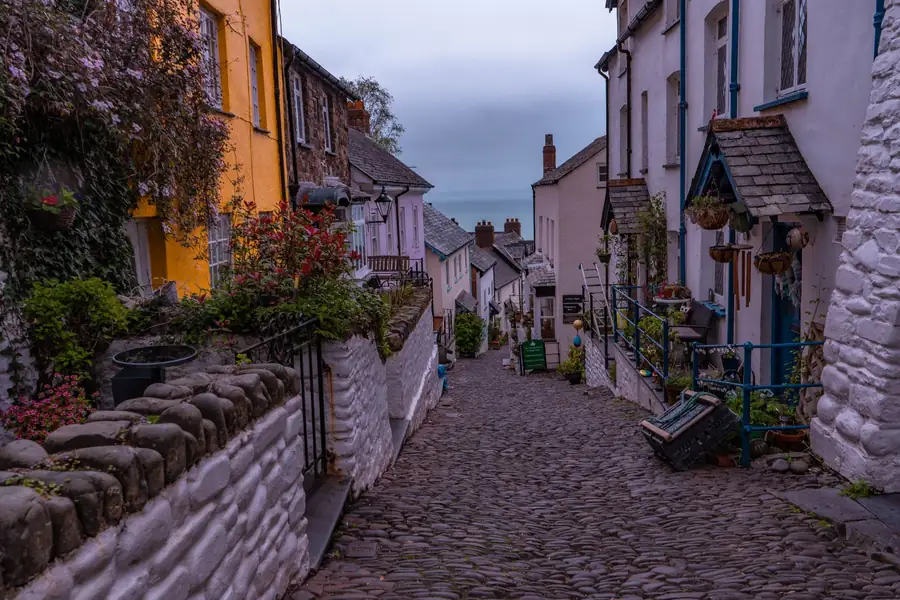
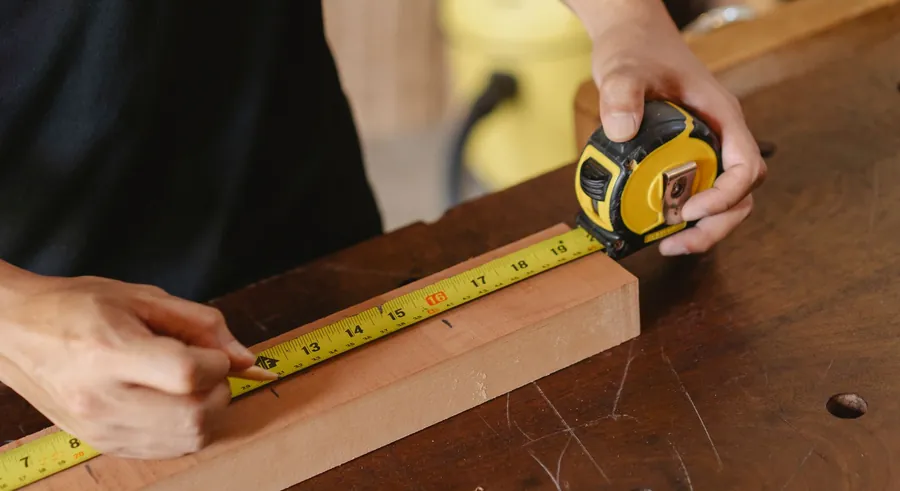
So we design for the route as well as the room. At the survey we walk the way in and measure the narrowest point and the tightest corner, which can be the stairs inside the house rather than anything outside. Carcasses are then made in sections two people can lift, with panels that bolt together on site and face frames or scribes that hide the joins. Long items need more planning. A full-length worktop or a stair string may need to come in through a window, or be made in two lengths with a joint placed where a sink or a newel will cover it. None of this is exotic. It just has to be worked out before the timber is cut, not on the doorstep.
Salt, Damp And Choosing Timber By The Sea
Both towns live with salt air, and Brixham’s harbourside streets and the houses facing the open bay get the worst of it. For exterior joinery that is a long conversation about durable species and coatings. Inside, the effects are quieter but real. A sea-facing room that has its windows open all summer and the heating on all winter swings in humidity far more than a bedroom inland, and holiday lets that sit empty and unheated for weeks in winter do the same.
That swing is what moves timber, so wide solid panels go into frames that let them shrink and swell, and big painted doors are usually made in a stable board rather than solid wood. We let the timber sit indoors before fitting where we can. Hardware matters too: steel hinges and runners near an open window in a harbour cottage will spot with rust within a couple of seasons, so we use brass, stainless or properly plated fittings there. If you are weighing up species, our guide to choosing timber for bespoke joinery goes through oak, ash, walnut and painted work one by one.
Conservation Areas In Paignton And Brixham
Torbay Council looks after several conservation areas across the two towns. In Paignton there are Old Paignton, around Winner Street and Church Street, Polsham, and Roundham and Paignton Harbour. Brixham has Brixham Town round the harbour and Higher Brixham up by St Mary’s church. The council adopted new appraisals and boundary changes for Brixham Town and Old Paignton in March 2026, and you can read the Torbay Council decision adopting the Brixham Town and Old Paignton appraisals for the detail.
For most interior joinery none of this applies. A fitted wardrobe or an alcove unit in an unlisted house needs no consent. It starts to matter when the work shows from the street, which in practice means timber windows and front doors, where the appraisals push hard for timber over uPVC. The Old Paignton conservation area appraisal specifically notes the loss of original sashes. Listed buildings are a stricter case. In one of Brixham’s listed cottages, removing an old cupboard, a panelled partition or the staircase can need listed building consent, so we would want to see what is there before drawing anything.
What Bespoke Joinery Costs In Paignton And Brixham
Prices are the same across Torbay. A Brixham postcode does not add a surcharge, and a Paignton job is priced exactly as one in Torquay would be. Here are our working ranges for made and fitted work.
- Alcove units and home offices run from £1,800 to £7,500. One painted alcove sits at the bottom, a matched pair with lighting somewhere in the middle.
- Fitted wardrobes cost £2,500 to £12,000. Expect a sloping-ceiling run in a Paignton loft room to cost more per metre than one on a straight wall, because every door and panel is cut to its own height.
- Window seats come under our bespoke furniture range of £900 to £8,000, and most bay seats land well towards the bottom of it.
- Staircases are £4,000 to £18,000. Replacing a winder in a Brixham cottage usually takes extra hours for opening up and making good round the old one.
Access is the one variable that is particular to Brixham. If a job means sectional construction and two people carrying it up a long flight of steps, fitting may take an extra half day or so, and we show that as a separate line on the quote rather than hiding it. Materials move prices more than anything: oak adds roughly a third over painted work, and a hand-painted finish on site costs more than a sprayed one from the workshop.
If you live in either town and have an alcove, a sloping bedroom or a staircase you have been meaning to sort out, get a free quote for bespoke joinery in Paignton or Brixham and we will come and measure it, route in included.