
Bespoke Interior Shutters In Torquay: Styles, Sash And Bay Fitting, And What They Cost
Bespoke Joinery Torquay
Bespoke interior shutters in Torquay are usually wanted for the same three reasons: privacy on a hillside where the neighbours look straight down into the front room, a bit more warmth from old single-glazed sashes, and a way of dealing with a bay that curtains never quite suit. We make painted and hardwood shutters to measure in our Torquay workshop, mostly for Victorian and Edwardian houses. As a rough Torbay guide, a sash window costs £900 to £1,600 made and fitted, a full bay runs from about £3,000 to £5,500, and a ready-made factory shutter of the same size might be half that. Below is where that gap comes from, and when it is worth paying.
What You Get From Bespoke Interior Shutters In Torquay
A joiner-made shutter is a set of timber panels on a frame built for one opening and no other. The frame is scribed to the plaster, the panels are sized to the sash meeting rail and the glazing bars, and the louvres, if there are any, line up with the window behind them. Ready-made shutters come in fixed sizes and are trimmed to fit. Factory made-to-measure ones are ordered to your dimensions but built from a standard kit of stiles, rails and louvres.
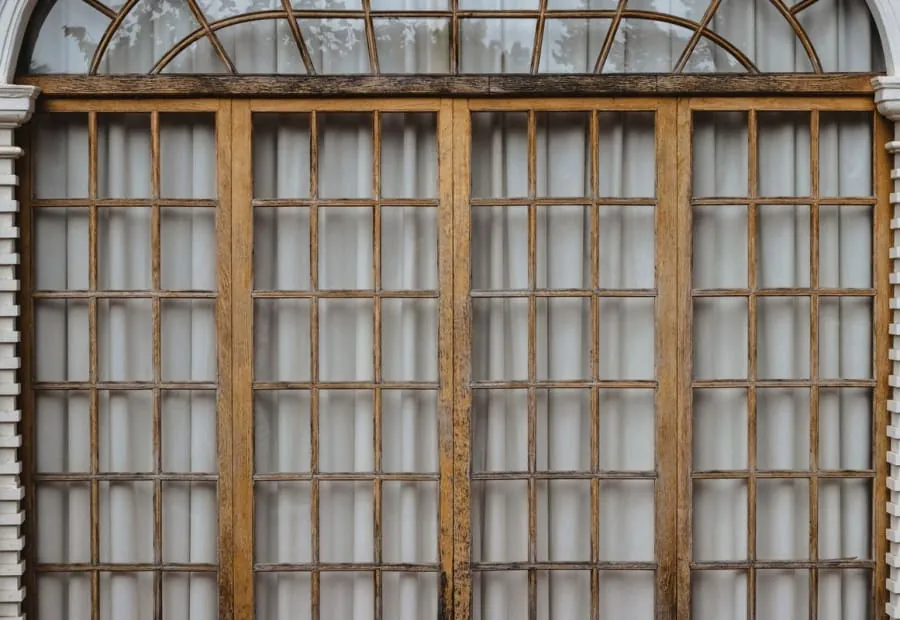
The difference shows most on period windows. A factory kit has one rail height option, one louvre width and one depth of frame, and Torquay’s sashes rarely match any of them. Shutters sit in the same family of work as the sashes themselves, which is why we treat them as part of our timber windows and doors service rather than as furnishing. Often the window and the shutter end up as one job anyway, because a sash that rattles or a sill that has rotted needs sorting before anything gets hung inside it.
Tier-On-Tier, Full-Height, Café-Style Or Solid Panel?
Four styles cover almost every window we see. Which one suits depends on how the room is used more than on looks.
Tier-On-Tier
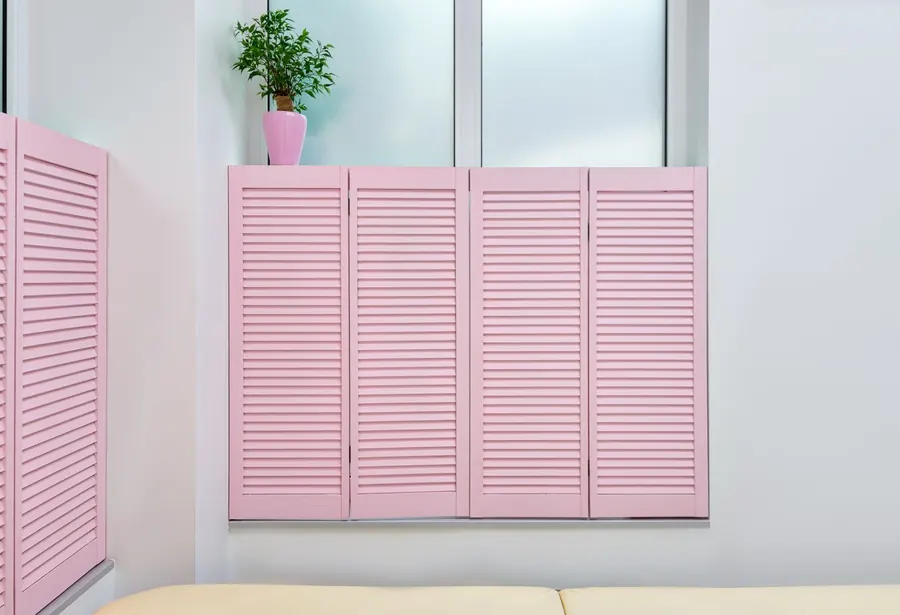
Two sets of panels, one above the other, each opening on its own. The split normally sits level with the sash meeting rail, so the top half can stay open for daylight while the bottom half stays closed. This is the most popular choice for front rooms on busy streets in Torre or around Babbacombe Road, where you want the sky without the pavement.
Full-Height
One tall panel per leaf, from sill to head, usually with a hidden divider rail so the louvres can be tilted in two sections. Cleaner to look at and cheaper than tier-on-tier, because there are half as many panels to make and hang. It suits bedrooms and tall Edwardian windows where privacy matters at every height.
Café-Style
Panels on the lower part of the window only, leaving the upper glass bare. Good for kitchens, bathrooms and ground-floor rooms facing a road. They are the least expensive of the four and the easiest to fit around a deep sill or a window seat.
Solid Panel
No louvres, just flat or fielded timber panels, which is how most Georgian and Victorian shutters were originally made. They block light completely when closed and hold heat better than louvres do. In a house that still has its old shutter boxes, solid panels are often the right answer because they match what was there.
How Shutters Suit Torbay’s Bay Windows, Sashes And Villas
Torquay’s housing gives shutters an odd mix of windows to deal with. The large Victorian villas of the Warberries, Lincombes and Wellswood tend to have tall sashes and canted bays, often with the original shutter boxes still in the reveals. Chelston’s late-Victorian and Edwardian streets have bays too, usually smaller, and plenty of them have lost their sashes to uPVC over the years.
Canted bays are where most of the planning goes. Each face of the bay gets its own frame, and the corners where two faces meet have to be worked out so that the panels clear each other when opened and the louvres do not clash. Sometimes the side panels fold back flat against the return walls. Sometimes the bay is too shallow for that and the panels have to be hinged in pairs and folded on to themselves. If the bay already has a window seat, or you are thinking of adding one, the shutters need designing around it, and we went through that kind of joinery in our post on window seats and bay joinery in Torquay.
Sashes add a second question: will the shutters stop the window opening? Mounted inside the reveal, they can be folded right back so the bottom sash still lifts. On a window with shallow reveals we sometimes fix the frame to the face of the architrave instead, which gives the panels more room but changes how the window looks from the street.
Measuring For Out-Of-Square Reveals
Very few reveals in an older Torquay house are square. Walls settle, plaster gets patched, and a bay built on a slope may have each face at a slightly different angle. A shutter that ignores this either binds at one corner or leaves a gap of several millimetres down one side, and that gap is what people notice.
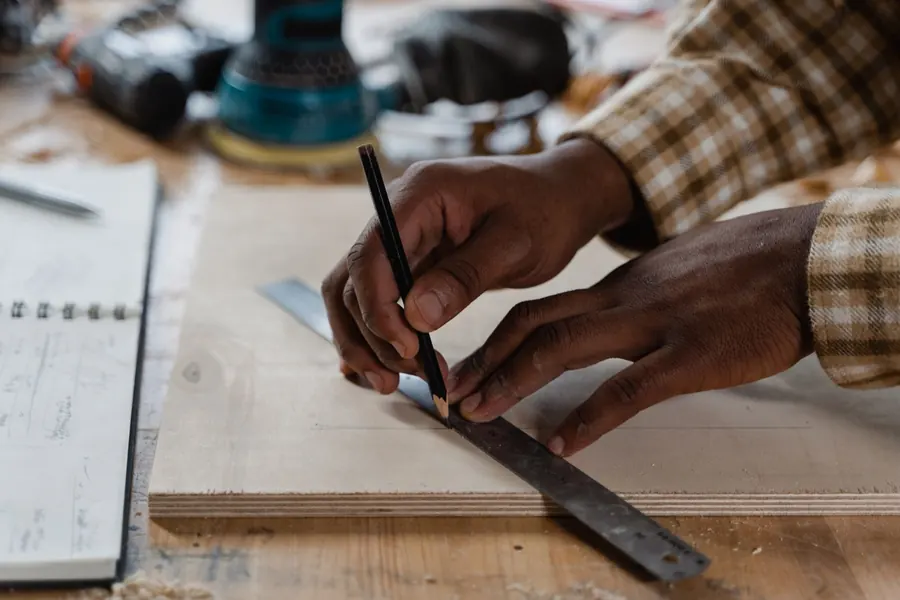
We take widths at the top, middle and bottom of the reveal and heights at both sides, plus both diagonals, and note where the plaster bows. The hanging frame is then scribed to the wall so it follows those imperfections, while its inside edge is made dead straight. The panels hang off that true inside edge, which means they meet properly in the middle even when the wall around them does not. On a bay we also record the angle of each corner, because a bay that is meant to be 135 degrees often measures a couple of degrees either way. Factory shutters are ordered from a single width and height per window, and that is usually where the trouble starts.
Timber And Paint In Torbay’s Damp Coastal Air
Torbay is mild but humid. The Met Office’s long-term figures for the area put annual rainfall at around 896mm, and relative humidity sits in the 80s for much of the year, higher in spring. Indoors, single-glazed sashes run with condensation on cold mornings, and a closed shutter traps that moisture against its back face. Shutters that were fine in a dry inland house can swell, stick or open up at the joints here.
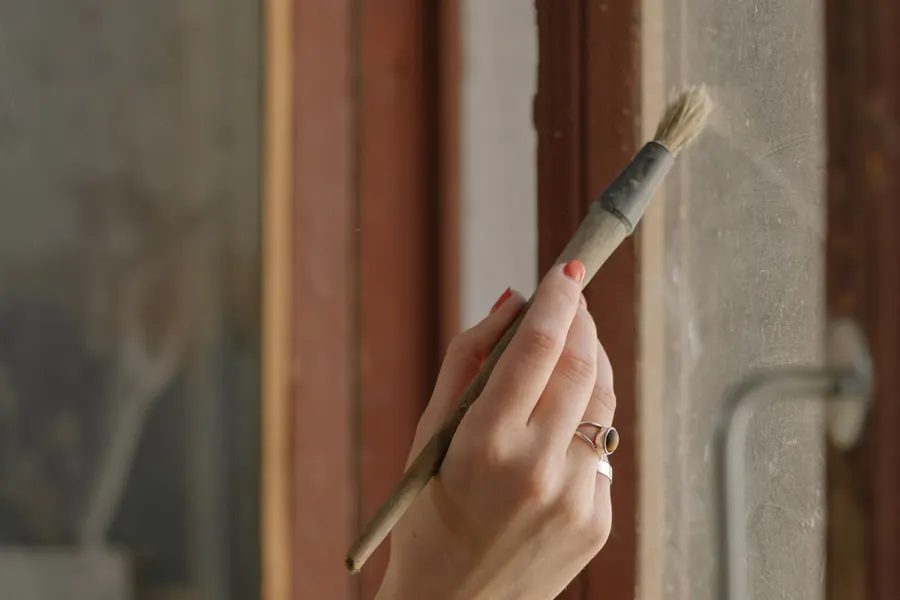
So the climate shapes how we build them. Panels are made from timber dried to suit a heated room and allowed to settle in the workshop before machining. For wide solid panels we often use a stable engineered core with a hardwood lipping, which moves far less than a solid board. Every face gets primer, including the backs, the hinge edges and the end grain at the bottom rail, since bare end grain is where water gets in first. A small gap is left above the sill so the bottom rail is not sitting in the puddle of condensation that collects there in winter. Finish is a sprayed waterborne paint, which stays flexible enough to cope with seasonal movement without cracking along the joints.
Shutters also help with the cold. Research carried out for Historic Environment Scotland on reducing heat loss from sash windows found that closed timber shutters cut heat loss through a single-glazed sash by about half. It only works when they are shut, which mostly means at night. In a draughty bay facing the sea, you feel it.
Shutters In Listed Buildings And Conservation Areas
Torbay has 24 conservation areas, 16 of them in Torquay, and a lot of the villas in them are listed. Many still have their original folding shutters hidden in the window linings, painted shut decades ago. Bringing those back into use is often better value than making new ones, and it is almost always the better thing to do for the building.
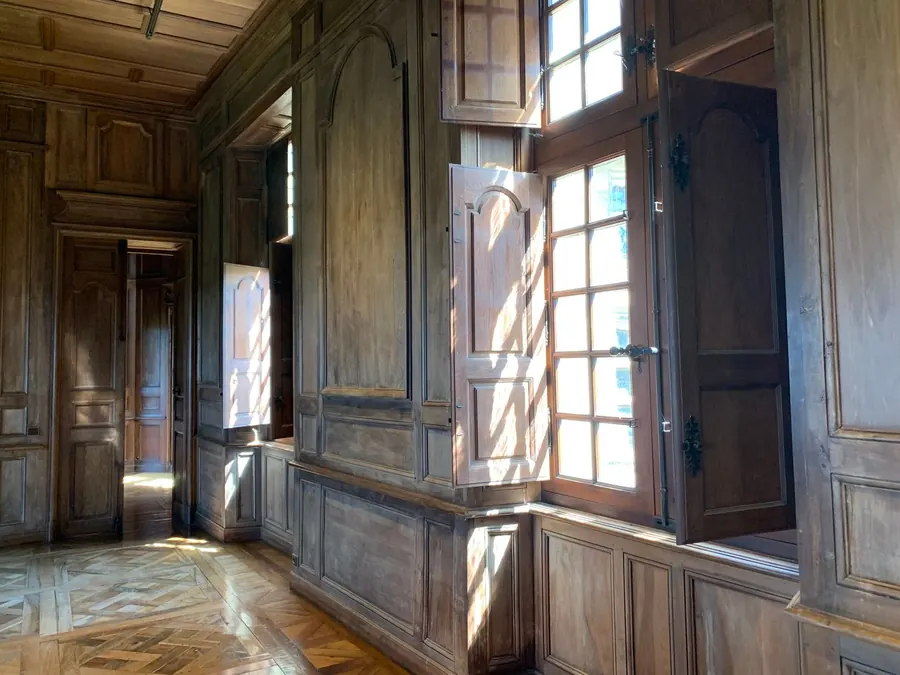
The work usually involves freeing the leaves, easing the hinges, replacing any missing panels to match and stripping back enough paint for them to fold properly. Where new shutters are going into a listed house, we fix them to a separate frame so the original linings are not cut. If the job would alter historic joinery, such as cutting into a shutter box or removing a panelled lining, listed building consent may be needed. Torbay Council publishes conservation area appraisals for each of its conservation areas, and those describe what is considered characteristic in each one, including windows. We would rather you checked with the council’s conservation team before a lining is touched than after.
What Made-To-Measure Shutters Cost Compared With Off-The-Shelf
Here are guide prices for Torbay, made in our workshop, painted and fitted:
- Café-style shutters for a single kitchen or bathroom window: from about £600
- Full-height shutters for a single sash: £800 to £1,400
- Tier-on-tier shutters for a single sash: £900 to £1,600
- A three-sided Victorian bay, tier-on-tier: £3,000 to £5,500
- Restoring original folding shutters in their boxes: £400 to £900 per window, depending on what is missing
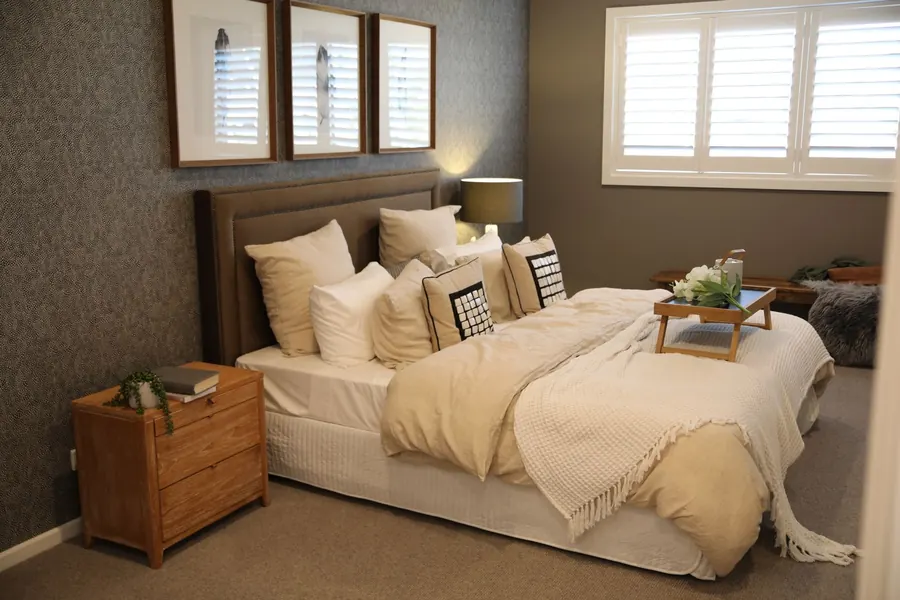
For comparison, factory shutters sold through retailers are usually priced at about £250 to £450 per square metre including fitting, and ready-made panels from DIY stores can cost less than £200 for a small window if you hang them yourself. On a square modern window, either can be perfectly sensible and we will tell you so. The extra cost of bespoke work goes on things you can see: rails that line up with the meeting rail, louvres that match the glazing bars, frames scribed to walls that are not straight, and bays where every corner is different. Hardwood adds roughly a quarter to a third over painted work. Solid panels cost a little less than louvres because there are fewer parts to make.
What brings a price down is repetition. Four sash windows of the same size on one elevation are cheaper per window than four different ones, because the setting up in the workshop is done once.
If you have sashes, a bay or a set of old shutters painted shut in their boxes, book a free survey and quote for interior shutters in Torquay and we will measure up and talk you through the options.