
Window Seats And Bay Joinery In Torquay: What Fitting A Bay Really Takes
Bespoke Joinery Torquay
Torquay was largely built in the age of the bay window, and it shows. The Victorian and Edwardian villas around the Warberries and Chelston were designed to catch light and a view, and the 1930s semis that filled in Shiphay and Barton kept the idea going in a plainer form. That leaves an enormous number of houses in Torbay with a metre or two of usable floor sitting inside a bay that nobody has ever done anything with. Roughly two thirds of the enquiries we take for one are from people who want storage first and a seat second. The catch is that a bay is the hardest place in a house to fit cabinetry into. It is rarely square, almost never level, and the wall behind it is frequently the coldest in the room. Here is what the job actually involves, and what it costs.
Three Kinds Of Bay, Three Different Jobs
People tend to say “bay window” as if it describes one thing. From a joinery point of view there are three, and the difference between them changes the price more than the width does.
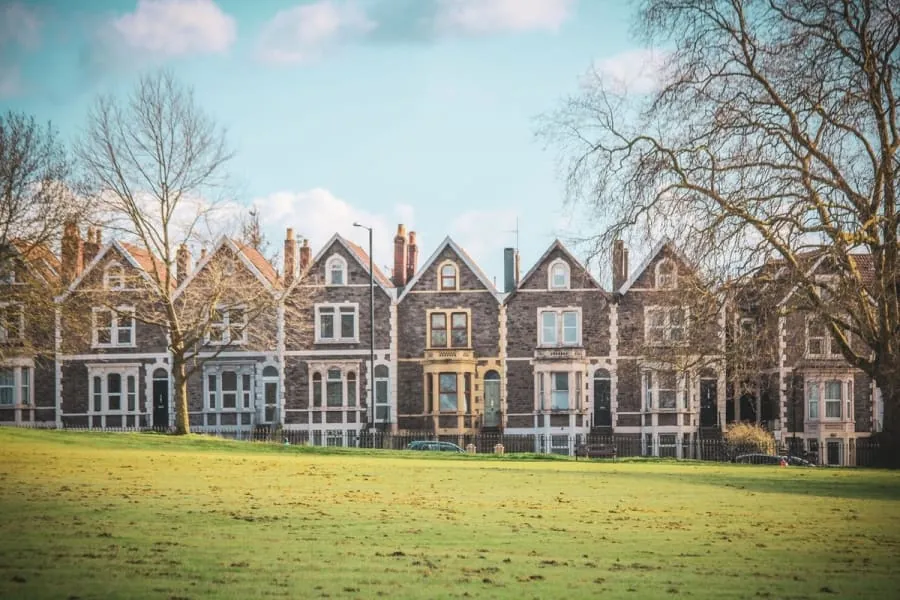
A square bay projects straight out and comes back at right angles. Two returns, one front, all flat. That is the easy one, and it is common on the interwar semis around Shiphay and Watcombe. A splayed or canted bay has angled returns, usually somewhere between 30 and 45 degrees off the front face, and it is what most of the Victorian villa stock in Torquay has. Every seat front in a splayed bay meets its neighbour on a mitre, and every one of those mitres is a slightly different angle to the one the drawing predicted. A bow is a genuine curve, five or more narrow lights swept round an arc, and there is no flat surface in it at all.
That third one is where the budget goes. A bow seat front is either laminated in the workshop from three or four layers of 4mm bendy ply pulled round a former, or faceted into short straight sections that disappear under the cushion. Both are proper bench work rather than something a fitter improvises on site, which is the main reason our bespoke furniture quotes for bows land so much higher than for the square bay two doors down.
Measuring A Bay That Is Out Of Square, Out Of Level And Out Of Plumb
This is the part that separates a seat which looks like it grew there from one with a 12mm wedge of daylight down the side of it.
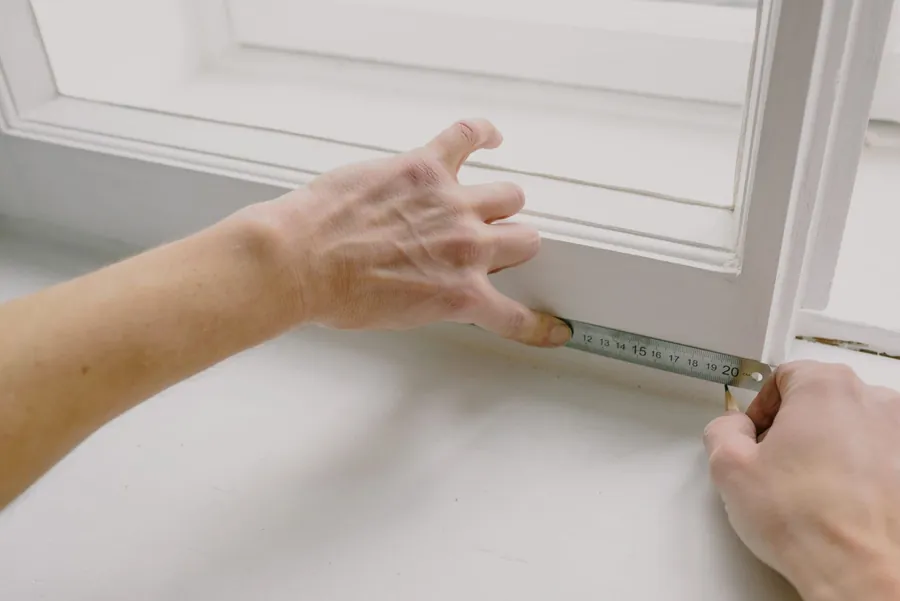
In a Victorian bay in Torquay we routinely find 10 to 25mm of difference between the two return widths, 5 to 15mm of fall across a two metre sill, and reveals that lean in or out by a few degrees from floor to sill. None of that is a defect. It is a hundred and forty years of a building settling onto Devon ground, plus lime plaster applied by eye. What it does mean is that a cutting list generated from three tape measurements will not fit.
So we template. A sheet of thin ply or hardboard is scribed to the actual floor line and the actual reveal faces, angles are taken off with a bevel rather than assumed, and the template goes back to the workshop as the drawing. End panels are made 15 to 20mm oversize so there is material to scribe away on the day, and the seat front is set out from the template’s mitres, not from a protractor. It adds half a day at survey and saves considerably more than that at the fit.
If The House Is Listed Or In A Conservation Area
Torbay has 24 conservation areas, 16 of them in Torquay, and around 864 listed buildings, so this comes up often. A bay is one of the more sensitive places to be fixing things, because plenty of period bays here still have working shutter boxes, panelled reveals and original architraves behind decades of paint. The Planning Portal’s guidance on listed buildings is clear that internal alterations affecting a building’s special interest need consent, and doing the work without it is a criminal offence rather than a paperwork slip. If you want the detail on where the line sits, our piece on listed building and conservation area joinery in Torquay goes through it properly. For conservation areas, Torbay Council publishes an appraisal for each one, which tells you what the designation is actually protecting.
The Radiator Under The Window, And The Pipes Behind It
Almost every bay we survey has a radiator sitting in it, because that is where the heat loss is and that is where the installer put it. It is the single most common reason a bay seat design gets redrawn.
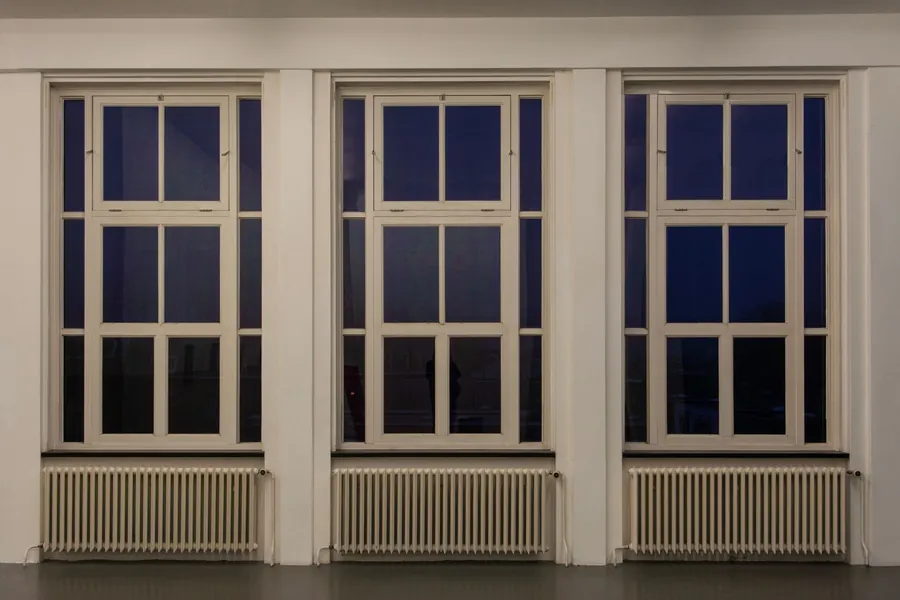
There are three honest answers. Leave it alone and stop the seat short of it, which costs nothing and looks like an afterthought. Box it into the seat front behind a vented grille, which looks deliberate and is what most people choose. Or move it to a side wall and give the whole bay over to storage. Boxing in is the compromise, and it is worth knowing the price: a solid front with a token slot will cost you somewhere around 15 to 20 percent of the radiator’s output, while a grille with at least half its area open, a gap above the top and reflective foil on the wall behind gives most of that back.
Then there are the pipes. In a lot of Torquay houses the flow and return run in the floor void and come up through the boards right where you want a drawer box. We would far rather find that at survey with a board lifted than on fitting day, because the fix is easy in a drawing and awkward in solid oak. Where pipes cannot move, the section above them becomes a shallow tray or an open cubby instead of a full-depth drawer, and nobody who has not read this will ever notice.
Hinged Lid, Drawer Base Or Plinth Drawer
The seat is the bit people picture. The storage under it is the bit they use every day, and there are three ways to get at it, each of which suits a different household. Worth thinking about honestly before you choose, because the cheapest option is also the one most likely to end up permanently shut.
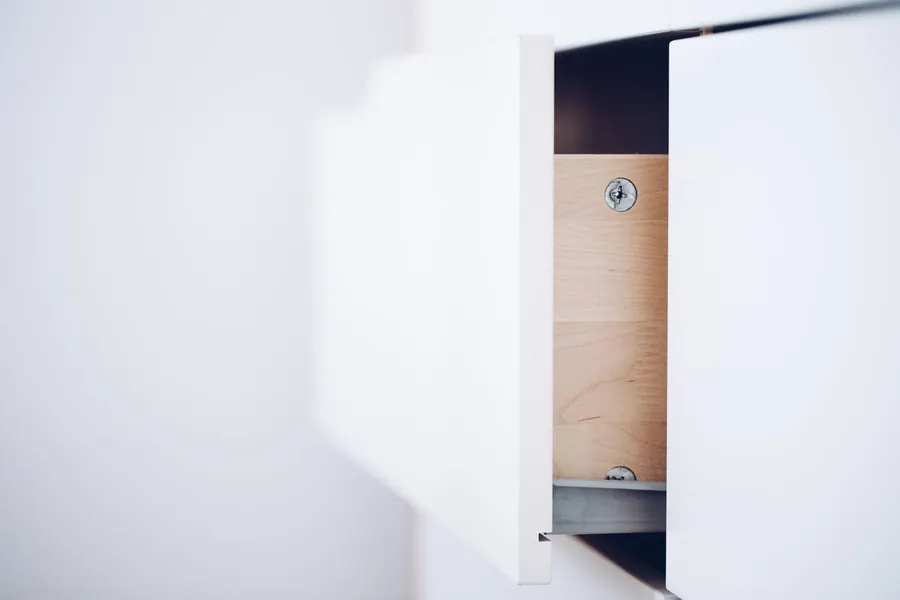
A hinged lid is the cheapest and gives you the most volume, because the whole cavity is one box with nothing dividing it. It is also the one people stop using, since getting at anything means clearing the cushion and whatever was sitting on it. If you do go this way, split the lid into sections no wider than about 900mm, fit soft-close lid stays rated properly for the weight, and put a stop on them so a lid cannot drop on a child’s fingers.
Drawers are the opposite trade. You lose the depth the runners and drawer sides take up, maybe 60mm of usable height per drawer, but you can open one with a cushion and a cat still on the seat. In a splayed bay the drawer fronts in the angled returns are trapezoidal, which is more setting out and more cost. Standard 450 or 500mm full-extension runners rated to 30 or 40kg handle everything a bay seat will ever hold.
The third option gets overlooked. A plinth drawer, shallow and wide, running in the 100 to 150mm below the main carcass, is ideal for the flat awkward things a house accumulates: board games, wrapping paper, a laptop. It costs little, because it is riding in space that was otherwise dead, and it works in all three bay shapes including a bow.
Damp And Air Movement In A Solid-Wall Bay
A Torquay bay is often the thinnest, coldest, most exposed piece of wall in the house, and sealing a cabinet against it without thinking is how you get a mouldy surprise in February.
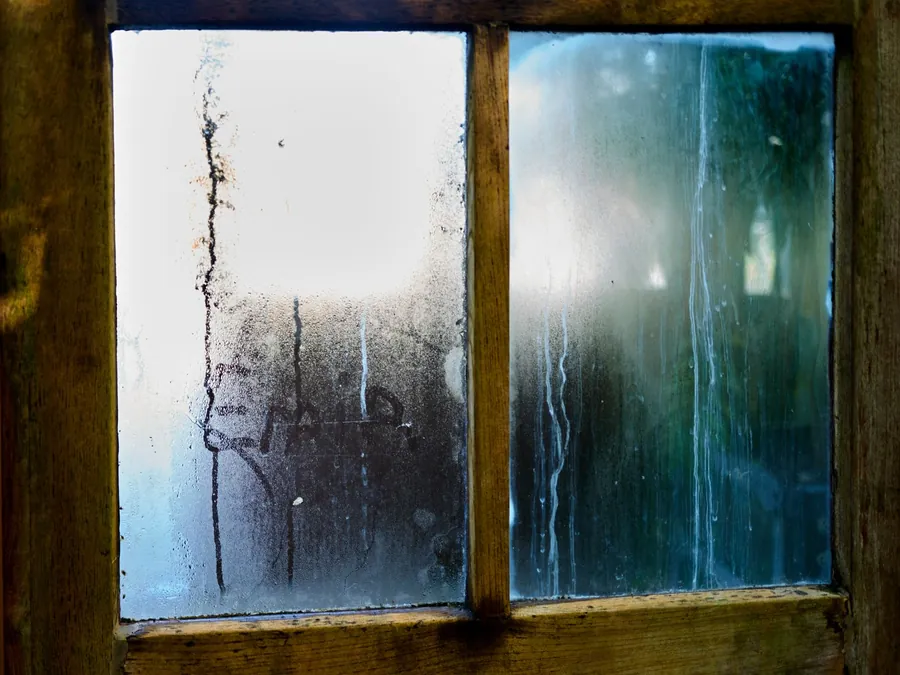
Plenty of the villa stock here has solid nine inch or single skin bay walls with no cavity, and the local climate does not help: Torbay takes around 896mm of rain a year and spring humidity sits between 85 and 91 percent. Warm room air meets a cold surface, and the dew point lands behind the one thing in the room with no air moving past it.
The detailing that prevents it is not complicated. Batten the carcass 20 to 25mm off the wall so there is a ventilated void behind the back panel. Leave the back open or perforated rather than solid. Vent the lid or the plinth so air can pass through the storage cavity. Lift the whole thing on a plinth clear of the skirting line. The Society for the Protection of Ancient Buildings’ technical advice makes the same argument about old buildings generally, which is that they were built to breathe and get into trouble when something stops them.
Seat Height, Depth And The Cushion You Actually Sit On
Get these three numbers wrong and you have built an expensive shelf. We have been asked to rework seats that were structurally perfect and 80mm too tall.

Finished seat height wants to be 430 to 460mm, which is dining chair territory and the height a person can get up from without pushing off. Because the cushion does the last bit, the carcass top is built 50 to 75mm below that, so a 60mm cushion sits on a 380mm carcass to land at 440mm. Depth of 450 to 500mm suits sitting upright with your feet on the floor. If the brief is really about lying in the bay with a book on a wet Sunday, you need 600mm or more, and in most Torquay bays that means running the seat a little past the reveals into the room.
The cushion is a specification, not an afterthought. High resilience foam at 35kg per cubic metre or better, 50 to 75mm thick, will still be the same shape in five years. The cheap reconstituted stuff flattens inside a season and no amount of good joinery underneath hides it. One legal point: a cushion is upholstery, and upholstery sold or supplied for a domestic room falls under the Furniture and Furnishings (Fire) (Safety) Regulations, so the filling and cover have to meet those standards and carry the labelling. Any competent upholsterer handles this as a matter of course, but ask, particularly if you are buying the pad separately online.
Painted MDF, Solid Timber Or Veneered Ply
Nobody should be building a whole bay out of one material. Mixing them is the right answer rather than a compromise, and here is where each earns its place.
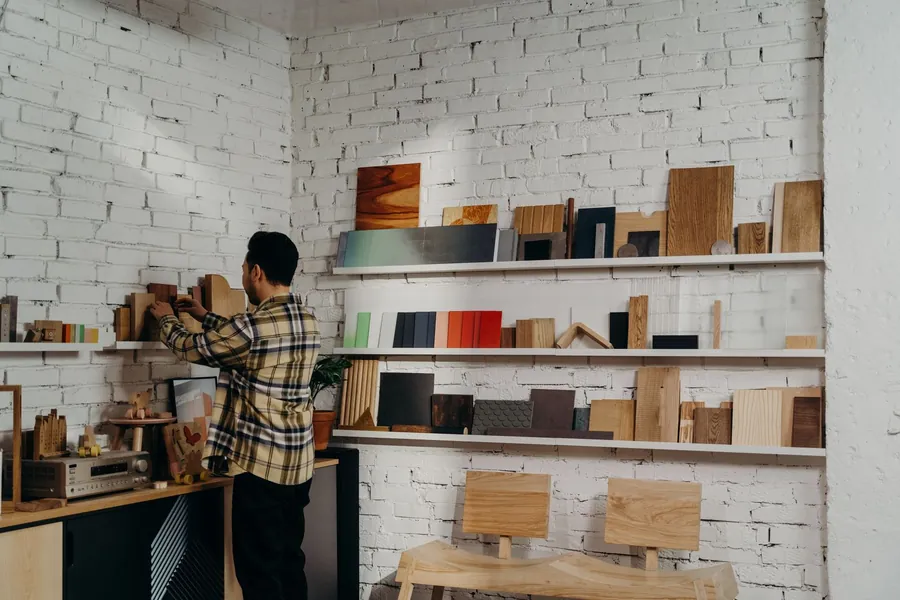
Painted work in a bay means MDF for the panels and solid timber for the framing, mouldings and the seat edge. MDF is dimensionally stable, which matters enormously in a bay where one face is against a cold wall and the other is in a room that swings from 8 to 21 degrees over a day. It takes a sprayed finish flatter than any timber does, and painted work in a period bay reads correctly next to existing architraves. In anything damp-prone we use moisture-resistant board as standard rather than as an upgrade.
Solid timber earns its place where hands and backsides go: the seat top, the front edge, the drawer fronts if they are to be left bare. Oak and tulipwood are the two we use most, oak clear-finished and tulipwood painted. Veneered ply sits between the two and is the quiet winner in a bow, because a curved front laminated from thin ply and veneered on the face gives you the shape and the grain without the movement a bent solid section would have.
Moisture content is the detail nobody asks about and everyone benefits from. The British Woodworking Federation represents the standards side of this trade, and the relevant one is BS EN 942, which puts joinery for buildings heated to between 12 and 21 degrees at 9 to 13 percent moisture content, and 6 to 10 percent for anything warmer. Timber brought into a Torbay house wetter than that will shrink after fitting, and shrinkage shows first at a mitre, which in a splayed bay is the most visible joint in the room.
Lead Times And What Bay Joinery Costs In Torquay
Everything here is made in the workshop in Barton, sprayed or finished before it travels, and fitted by the person who templated it.
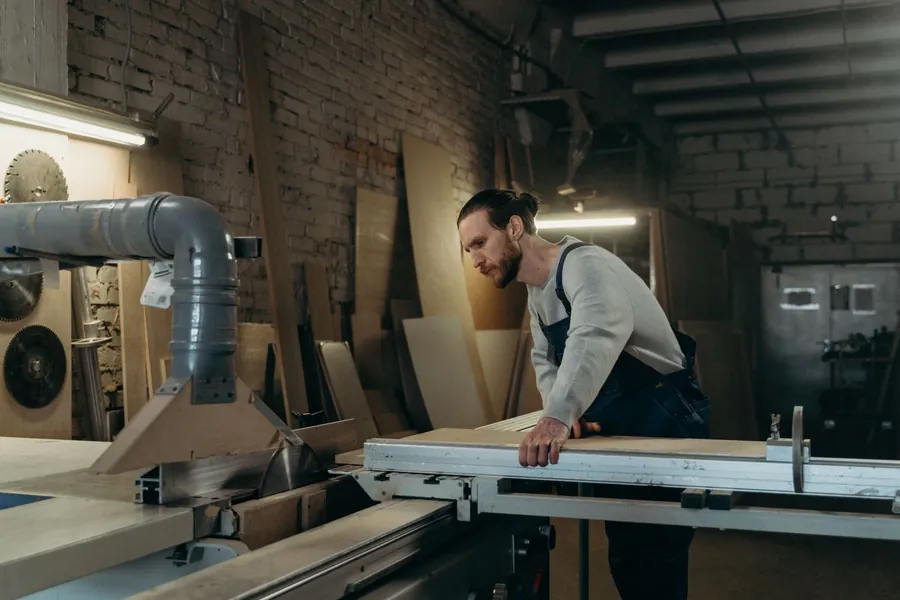
From accepting a quote, reckon on six to ten weeks. That breaks down as one to two weeks to a templating visit, two to three weeks on the bench, around a week in finishing and curing, and one or two days on site. Spring and early autumn are the pinch points in Torbay, partly because holiday let owners want work done between seasons, so a January enquiry usually moves faster than a March one.
On price, for a painted seat in a square bay between 1.8 and 2.2 metres wide, with a hinged lid and a vented radiator front, expect £1,400 to £2,200. The same seat in a splayed bay with three drawers below runs £2,200 to £3,400, the difference being the mitres and the trapezoidal fronts rather than the materials. A curved bow, laminated front, drawers or plinth storage, sits at £3,000 to £5,500. Add flanking bookcases or cupboards up the reveals either side and a whole-bay scheme is more like £4,500 to £8,000.
Two things sit outside that. A cushion made properly to the seat shape is £250 to £600 depending on size, foam and fabric. And if the radiator moves, a plumber is half a day. Neither is large next to the joinery, and both are far cheaper arranged now than retrofitted once the seat is in.
Ask us for a quote on a bay window seat in Torquay. We will come and look at the bay, tell you honestly which of the three shapes you have, and template it before anyone gets a cutting list.